
4-factors-affecting-pipette-accuracy--how-to-fix-them, 4-factors-affecting-pipette-accuracy--how-to-fix-them, /news
EN
2026/06/12
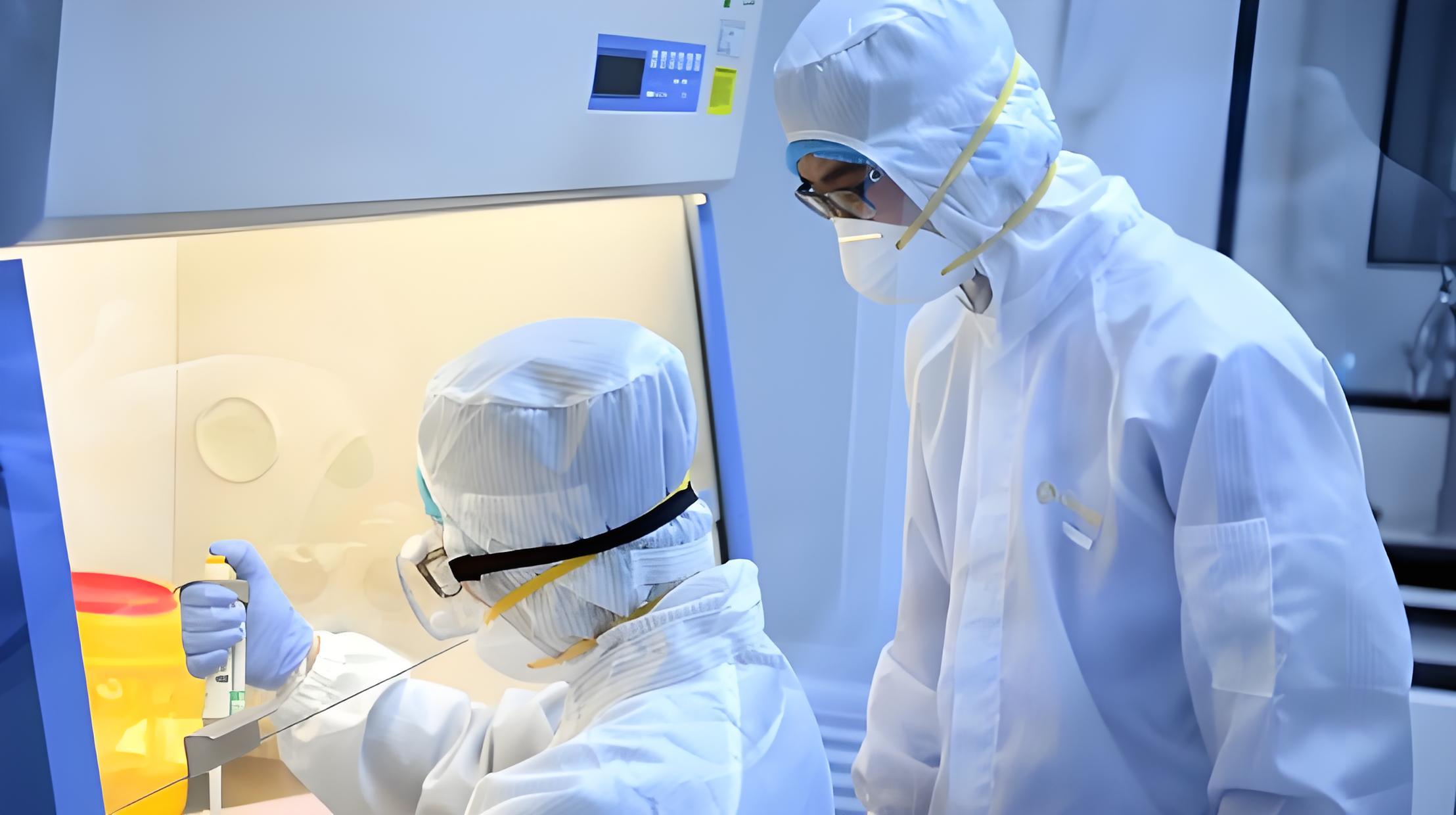
Troubleshooting Pipette Accuracy: 4 Critical Factors Every Laboratory Must Manage
In scientific and medical research, the precision of liquid handling dictates the reliability of your entire experimental outcome. A minor variance in fluid volume can lead to compromised assays, failed tests, and costly resource waste.
While many technicians focus entirely on mechanical integrity, pipette accuracy is actually highly sensitive to environmental, physical, and procedural variables. As a leading global provider of high-precision laboratory solutions, HAIJU LAB WARE has conducted extensive research into fluid mechanics to help researchers optimize their daily workflows.
By understanding these hidden variables, B2B labs can significantly reduce errors, protect valuable reagents, and ensure consistent, reproducible results across all scientific applications.
To achieve reproducible results, understanding the underlying factors affecting pipetting is non-negotiable. Whether you are using manual or electronic systems, liquid handling relies on delicate pressure differentials. Here, HAIJU LAB WARE breaks down the four primary elements that compromise pipette accuracy and delivers professional insights into mastering accurate pipetting techniques.
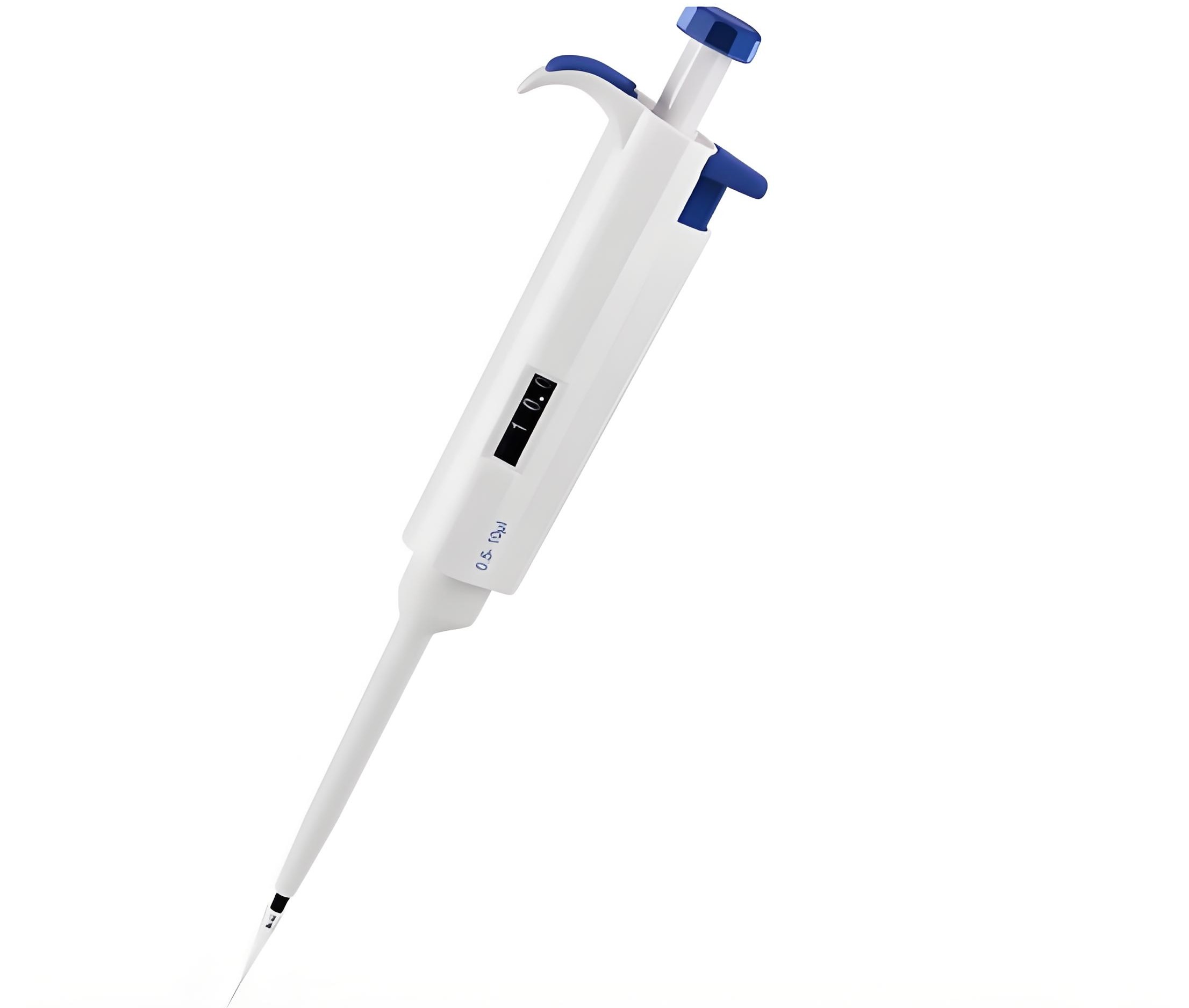
1. Temperature Dynamics and Thermal Expansion
One of the most frequently overlooked factors affecting pipetting is thermal variance. Most standard laboratory instruments are air-displacement pipettes, meaning they rely on an internal cushion of air between the piston and the liquid sample. This air pocket is highly sensitive to temperature changes.
When the ambient laboratory room temperature is relatively low, but the technician’s hand temperature is warm, a thermal gradient is established. As the warm hand holds the instrument, heat transfers to the internal air cushion, causing the air to expand rapidly. If you then attempt to aspirate a cold solution, this expanded air pocket contracts suddenly upon contact with the cold liquid. This thermal shock alters the expected volume, usually leading to an under-delivery of the fluid. HAIJU LAB WARE recommends letting instruments, tips, and liquids equilibrate to room temperature whenever possible to protect your pipette accuracy.
2. Air Tightness and Mechanical Wear and Tear
The interface between the pipette cone and the disposable plastic tip must form a perfect, hermetic seal. Over months of high-throughput usage, the constant friction, attachment, and ejection cycles cause micro-abrasions and physical wear at the top cylinder and the joint of the shaft.
When the air tightness of the instrument is compromised, atmospheric air leaks into the vacuum chamber during aspiration. This loss of internal negative pressure prevents the full volume of liquid from being drawn upward. Even a microscopic scratch can significantly degrade your pipette accuracy, causing random volume drops that trip up sensitive quantitative analysis. Regular inspection under magnification and professional laboratory pipette calibration protocols are critical workflows that HAIJU LAB WARE implements to ensure long-term instrument airtightness.
3. Aspiration Speed and Hydraulic Turbulences
Pipetting is not merely a mechanical motion; it is an exercise in fluid dynamics. The speed at which an operator releases the plunger directly dictates the fluid velocity entering the tip. When the suction speed is too fast, it creates hydraulic turbulence inside the tip container.
This rapid ascent easily introduces micro-bubbles at the top of the fluid column. Not only do these bubbles displace actual liquid volume—reducing overall pipette accuracy—but they also create aerosols. These tiny liquid droplets can bypass the tip barrier and directly pollute the internal cylinder and shaft of the device. Over time, cross-contamination and corrosion destroy internal parts. Practicing slow, controlled, and consistent accurate pipetting techniques is the simplest way to eradicate bubble formation and safeguard the internal environment of your air-displacement pipettes.
4. Reagent Volatilization and Internal Vapor Pressure
When working with highly volatile reagents, such as alcohols, acetone, or hexane, chemical evaporation happens almost instantly within the tip. As these volatile liquids are absorbed, their vapors rapidly escape into the air cushion above the liquid column.
This sudden influx of gas molecules dramatically increases the internal vapor pressure inside the cylinder. Consequently, when the liquid is held or pressed out, this elevated internal pressure pushes down prematurely on the fluid column, resulting in leakage, dripping, and severe volumetric errors. To counteract this physical challenge, HAIJU LAB WARE advises implementing a pre-wetting procedure. By performing repeated pumping 4 to 5 times with the target reagent, you completely saturate the air cushion with chemical vapor. Once the internal atmosphere reaches equilibrium, the evaporation stops, stabilizing the internal pressure and restoring excellent pipette accuracy.
Professional Insights for Long-Term Precision
To mitigate these daily challenges, modern laboratories must move beyond basic operation and adopt comprehensive maintenance strategies. HAIJU LAB WARE establishes that combining proper operational habits with scheduled laboratory pipette calibration creates a robust defense against experimental errors.
By standardizing these accurate pipetting techniques, laboratory managers can ensure that every technician, regardless of experience level, delivers reproducible results. HAIJU LAB WARE remains dedicated to engineering premium liquid handling instruments that minimize manual ergonomic strain while maximizing physical air tightness, providing global laboratories with the ultimate peace of mind.

 EN
EN