
comparing-plastic-and-glass-measuring-cylinder-types, comparing-plastic-and-glass-measuring-cylinder-types, /blog678
EN
2026/09/11
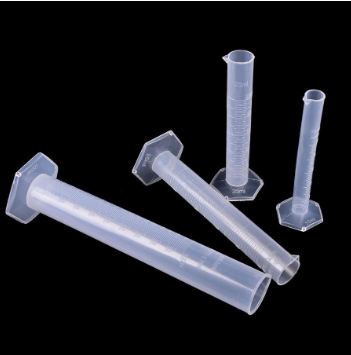
In daily laboratory practice across analytical chemistry, biology, and quality control sectors, measuring accurate fluid volumes is a fundamental prerequisite for reliable experimental outcomes and data integrity. As an experienced laboratory technician and research consultant, I have frequently observed that selecting the appropriate fluid containment vessel directly dictates the precision of routine assays. When setting up a workspace or managing laboratory procurement, technicians must evaluate whether a traditional glass vessel or a modern polymer alternative best suits their operational needs and testing standards. At Yuyao, we carefully manufacture laboratory equipment to address these practical, everyday requirements, ensuring that benchtop researchers and educational institutions achieve dependable volumetric results without unnecessary operational complexity or equipment fragility. Understanding the material characteristics of a standard measuring cylinder empowers laboratory personnel to optimize daily experimental protocols, minimize volumetric errors, and enhance overall workflow productivity across diverse scientific environments. Furthermore, analyzing how each measuring cylinder functions under specific physical conditions helps laboratory managers maintain standardized protocols, reduce human error, and achieve superior levels of operational efficiency across all daily fluid transfer procedures in modern research facilities.
A critical factor when choosing between alternative measuring cylinder options is understanding how different materials interact with various chemical reagents and thermal conditions. Traditional borosilicate glass vessels offer exceptional chemical resistance against strong acids, aggressive organic solvents, and high-temperature sterilization, making them ideal for rigorous chemical synthesis. Conversely, high-grade polymer variants, such as polypropylene (PP) or polymethylpentene (PMP), provide superior resistance to shattering if accidentally dropped on hard laboratory flooring, while also resisting specific reagents like hydrofluoric acid that would etch glass. At Yuyao, our product engineering emphasizes practical durability, ensuring that laboratories select the correct polymer or glass measuring cylinder variant based on their specific chemical exposure profiles and heating requirements, thereby preventing premature equipment failure and ensuring workplace safety. Each dependable measuring cylinder is engineered to withstand unique thermal gradients, providing researchers with the confidence needed for complex chemical assays and daily laboratory workflows.
Workplace safety and long-term equipment durability are paramount concerns for laboratory managers striving to maintain cost-effective operations. Glass laboratoryware, while optically clear and resistant to thermal deformation, carries an inherent risk of accidental breakage, which can result in sharp-edged hazards and the potential loss of valuable chemical samples. In contrast, an unbreakable plastic measuring cylinder significantly enhances laboratory safety by eliminating shatter-related injuries during high-throughput washing, handling, and transport. Furthermore, lightweight polymer alternatives reduce physical hand strain during repetitive handling tasks in busy educational teaching laboratories and fast-paced industrial testing environments. By integrating safe and durable liquid containment tools from Yuyao, facilities can effectively reduce replacement expenditures, minimize downtime, and safeguard personnel against common physical hazards associated with fragile glass equipment. Selecting a resilient measuring cylinder is therefore an essential step in fostering a secure and productive working environment for all laboratory staff members across various institutions.
Achieving high volumetric precision is entirely non-negotiable in reproducible scientific research, and both material types possess unique optical and physical calibration characteristics. Glass vessels typically offer superior volumetric accuracy and sharper, permanent graduation lines due to the rigidity of the material during high-precision calibration processes. However, modern manufacturing techniques allow a high-quality polymer measuring cylinder to achieve dependable Class A or Class B tolerance levels suitable for general quantitative analysis. When reading fluid levels, technicians must account for meniscus behavior: glass forms a distinct concave meniscus with sharp edges, whereas plastic vessels may display a flatter meniscus depending on the fluid's surface tension and wetting properties. Proper training in meniscus alignment ensures that every measuring cylinder deployed in a Yuyao-equipped facility delivers consistent, repeatable volumetric measurements across diverse analytical procedures, reinforcing why each specialized measuring cylinder remains indispensable for quantitative research work.
Persistent budget constraints, funding reductions, and equipment upkeep costs frequently challenge modern research facilities, making cost-effective procurement a vital priority for laboratory administrators. While glass equipment often incurs higher replacement costs due to accidental breakage, polymer alternatives generally provide a more budget-friendly initial investment coupled with extended operational lifespans under normal handling conditions. Cleaning and maintenance protocols also differ: glass withstands aggressive scrubbing and high-temperature autoclaving repeatedly, whereas plastics require mild cleaning agents to prevent surface abrasion and optical clouding over time. By carefully balancing these factors, laboratories can optimize their equipment inventory. Ultimately, choosing the right measuring cylinder from Yuyao allows research facilities to maintain strict standards of volumetric precision, operator safety, and operational economy for all routine liquid measurement procedures, ensuring that every measuring cylinder delivers maximum value over years of continuous laboratory operation and daily usage.

 EN
EN