Complete Guide to Personal Protective Equipment (PPE) for Laboratory Workers
The modern laboratory is a hub of scientific breakthrough and rigorous research. However, behind the cutting-edge experiments and sophisticated instruments lies a workplace filled with hidden "invisible killers." From sudden foreign body impacts and chemical solvent burns to chronic toxic inhalation, laboratory personnel constantly operate in high-risk zones. To mitigate these hazards, implementing a rigorous safety protocol is non-negotiable. At HAIJU LAB WARE, we prioritize workplace safety by analyzing how to correctly implement personal protective equipment (PPE) for laboratory workers to ensure compliance and maximum physical security.
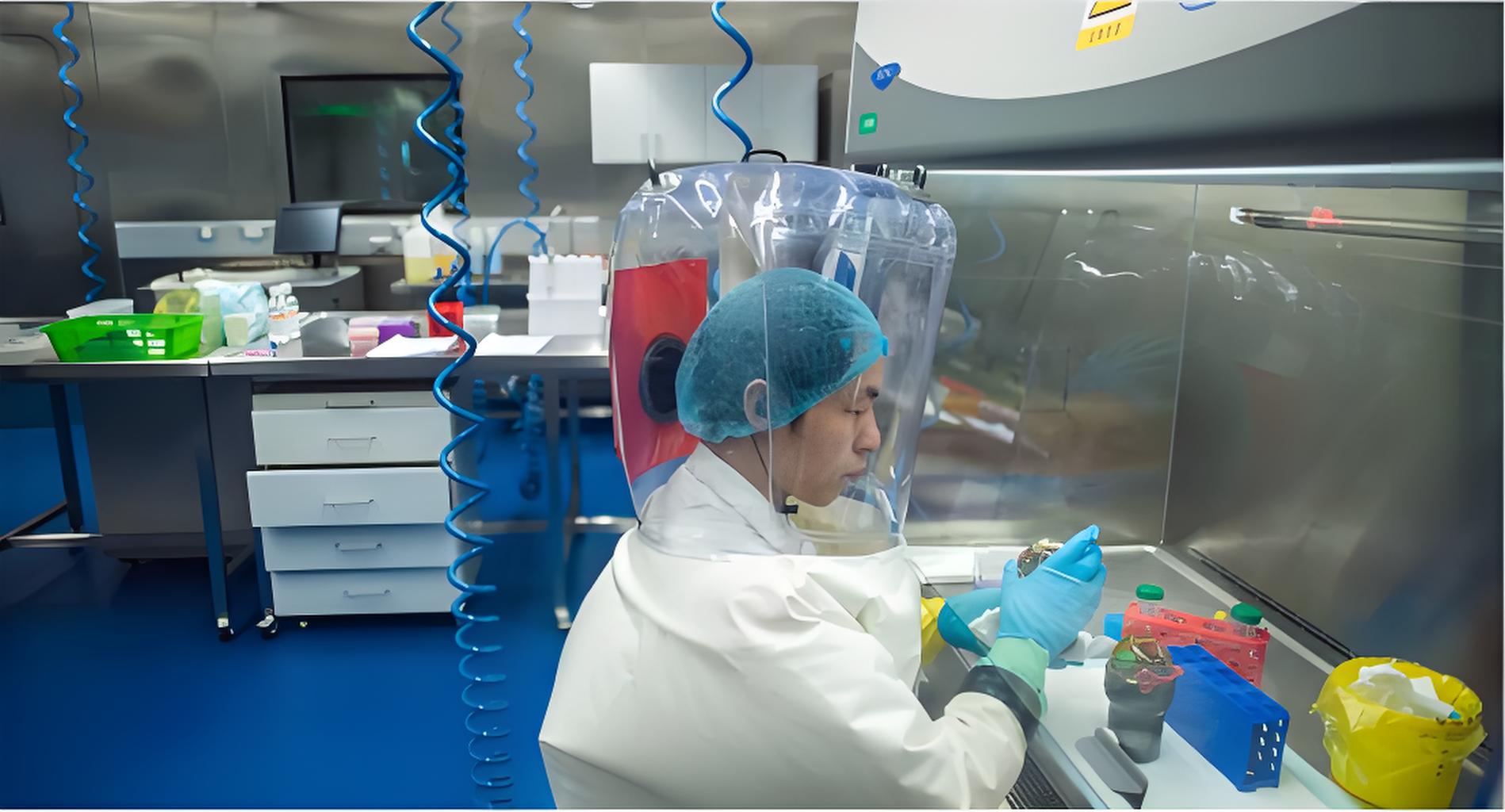
1. Advanced Respiratory Protection: Shielding Against Invisible Hazards
During routine chemical syntheses and complex experiments, various chemical reactions inevitably release toxic, hazardous, or irritating vapors and gases. Without adequate laboratory safety equipment, these airborne contaminants can cause immediate respiratory tract damage or lead to long-term chronic occupational illnesses. Therefore, deploying high-efficiency personal respiratory protection equipment is the first critical step in laboratory safety management.
When selecting respiratory protection, safety officers must evaluate the specific toxicity levels and concentration of the hazardous gases on-site. For general laboratory environments with low-concentration organic vapors, half-mask respirators equipped with appropriate chemical cartridges may suffice. However, in environments with high toxicity or volatile chemical spills, a full-face gas mask is highly recommended. These full-face gas masks provide a completely sealed environment, protecting both the respiratory system and the facial skin from corrosive gas exposure.
2. Eye and Face Protection: Preventing Irreversible Optical Injuries
The eyes and face are arguably the most vulnerable parts of the human body when working in a laboratory setting. A single droplet of an acid or alkali solution can cause permanent, irreversible ocular damage. Therefore, multi-layered facial protection is standard practice across the industry.
Chemical Safety Goggles: The First Line of Defense
Standard prescription glasses offer zero protection against lateral splashes. For any laboratory personnel handling liquid chemical reagents or volatile solutions, wearing specialized chemical safety goggles is mandatory. These goggles must feature indirect ventilation to prevent fogging while completely sealing the orbital area from liquid intrusion, ensuring reliable eye protection for laboratory workers.
Emergency Eyewash Stations: Protocol for Splash Accidents
Even with strict safety measures, accidental splashes can occur. When a hazardous chemical solvent contacts the eyes, immediate decontamination via an emergency eyewash station is vital. Personnel must hold their eyelids open and rinse thoroughly with continuous tap water for several minutes to dilute the chemical, followed by a meticulous rinse with distilled water before seeking immediate medical attention at an infirmary. Depending on the laboratory layout, facilities should be equipped with either fixed wall-mounted eyewash stations for rapid access or portable eyewash units for flexible, localized deployment.
Heavy-Duty Face Shields: Guarding Against Impact and Explosions
When experiments involve high-pressure systems, vacuum operations, or highly exothermic reactions, safety goggles alone are insufficient. In these scenarios, workers must wear heavy-duty face shields made of high-impact plexiglass or polycarbonate. These face shields extend from the forehead down to the throat, absorbing structural impacts, resisting high temperatures, and preventing physical injuries from shattered glassware or sudden chemical eruptions.
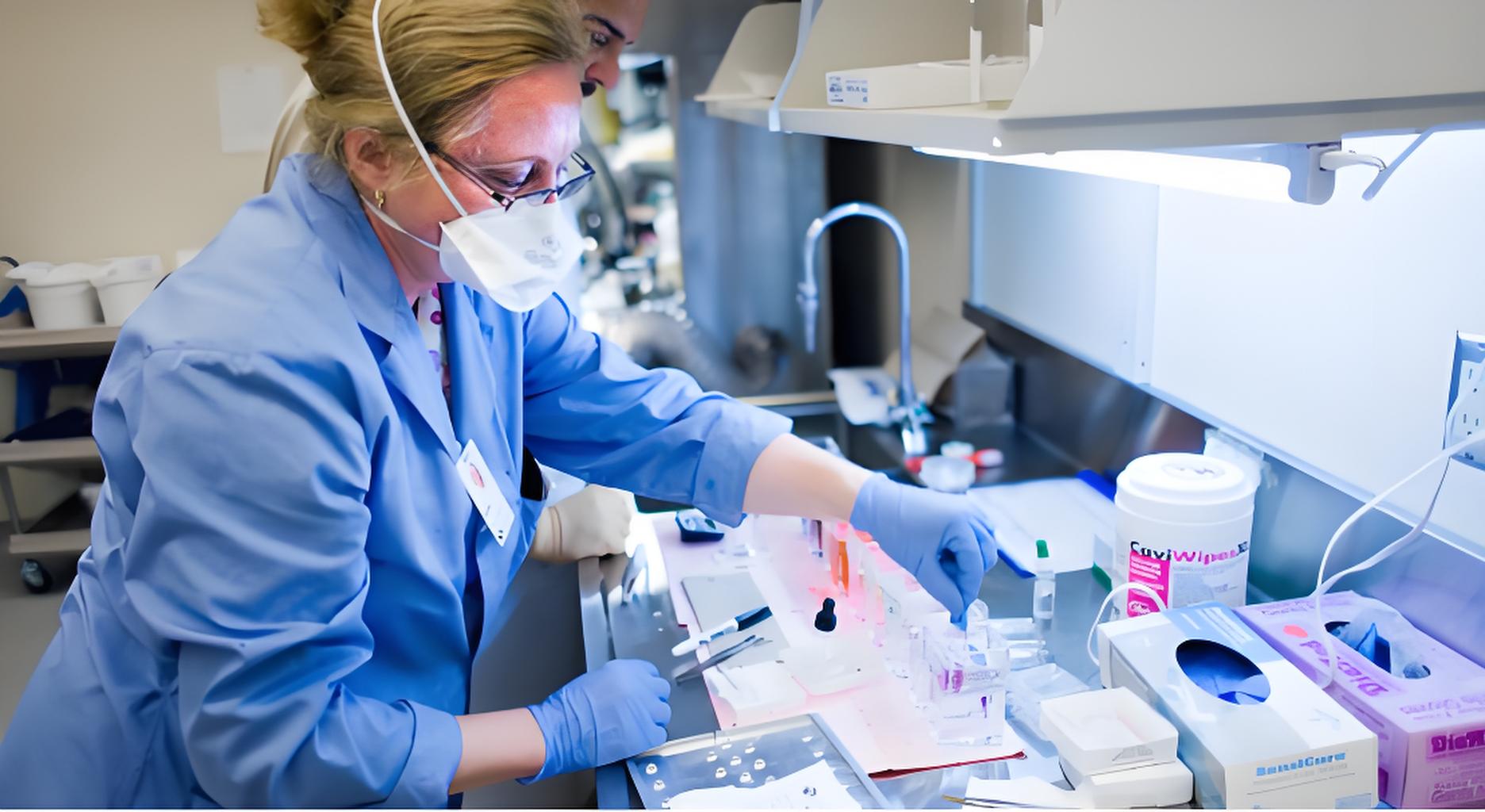
3. Body Protection: Comprehensive Chemical-Resistant Apparel
Protecting the torso and limbs requires durable chemical-resistant apparel designed to prevent skin contamination and clothing degradation. Standard cotton lab coats offer basic protection against dust, but specialized chemical protective clothing is necessary when handling bulk acids, alkalis, or highly toxic compounds.
The fundamental metric of premium chemical protective clothing is its breakthrough time and resistance to chemical corrosion. B2B safety managers must match the suit's material to the specific chemical matrix used in the lab. Furthermore, if your facility utilizes reusable chemical protective clothing, strict post-use maintenance protocols must be enforced. After each shift, the garments must be neutralized, washed with a specific corresponding solvent, and dried properly. Failure to remove surface chemical residues will result in degradation of the fabric and cause severe secondary injuries to the next user.
4. Hand Protection: Selecting the Right Barrier Material
The hands are a researcher’s primary tools, making them the most frequently exposed body part during manual laboratory operations. Hand protection requires a balanced selection of industrial safety gloves tailored to specific risks, including corrosive chemical handling, mechanical hazards (like broken glass, sharp metal fragments, or wood splinters), and extreme thermal fluctuations (such as handling liquid nitrogen or autoclaves).
There is no single "universal glove" for laboratory operations. Nitrile rubber provides superior protection against hydrocarbons and oils, whereas latex is ideal for aqueous solutions but fails quickly against organic solvents. HAIJU LAB WARE recommends that laboratory managers maintain a diverse inventory of chemical-proof gloves and establish a clear chemical compatibility chart inside the workspace.
Conclusion & Sourcing Guide
In conclusion, optimizing personal protective equipment (PPE) for laboratory workers requires a holistic approach that integrates premium respiratory protection, robust eye protection for laboratory workers, heavy-duty chemical protective clothing, and specialized chemical-proof gloves. Mitigating operational risks not only safeguards your valuable scientific talent but also guarantees regulatory compliance with international safety standards. As a premier provider of industrial safety equipment, HAIJU LAB WARE offers fully certified, high-performance PPE customized for complex laboratory environments. Contact our technical team today to upgrade your laboratory safety infrastructure and secure a safer working tomorrow.

 EN
EN
