
 EN
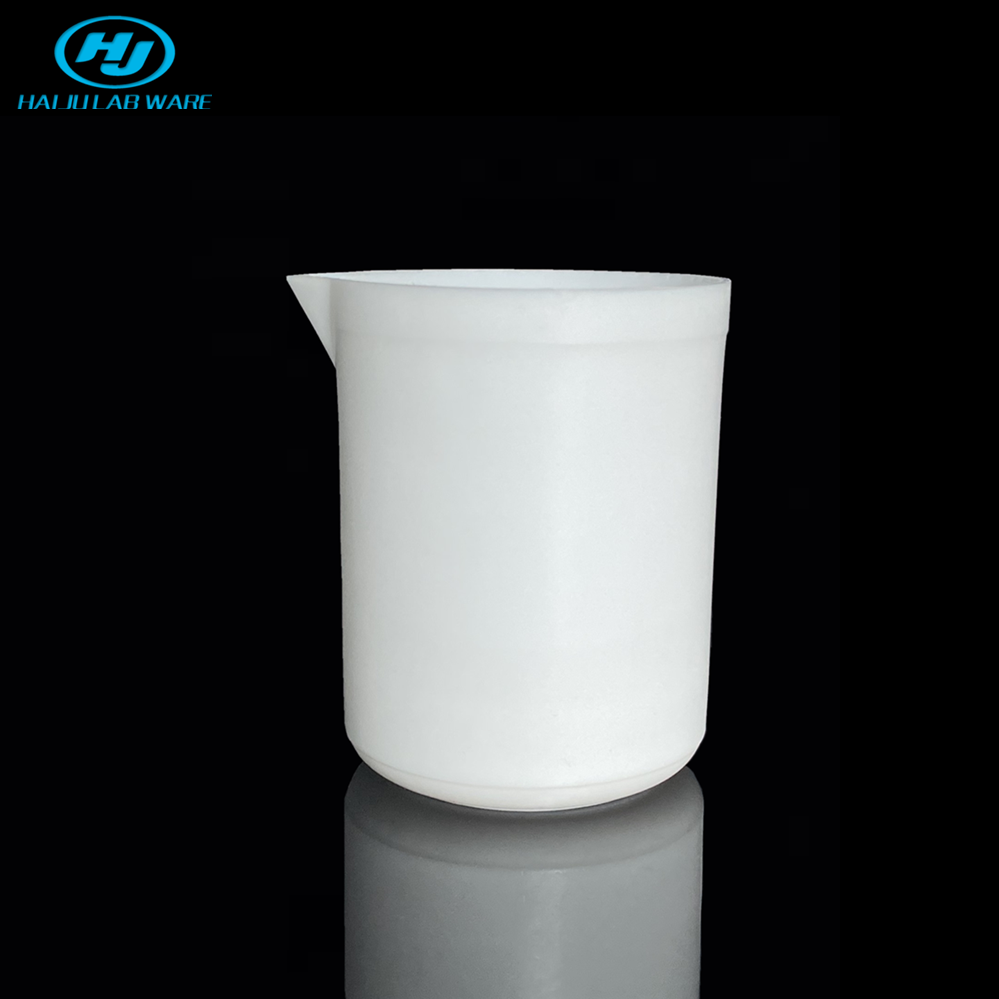
How to Choose the Right Measuring Cup for Daily Laboratory Tasks
A measuring cup looks simple on paper, but daily laboratory work quickly exposes the difference between a convenient container and a truly useful, repeatable tool. From a bench technician’s perspective, the right choice always begins with the task itself: are you portioning a routine wash solution, preparing an approximate batch, transferring a sample, or documenting a volume that must meet strict method requirements? Those are entirely different jobs, and one single measuring cup should never be expected to cover all of them. Selecting durable laboratory plasticware requires evaluating daily workflow demands alongside material specifications.
Have you ever selected a transparent vessel with visible marks, only to find that the graduations are awkward to read beside active equipment or that the material is entirely unsuitable for your daily cleaning routine? A practical selection process looks closely at volume ranges, material durability, graduation clarity, shape, and the environmental conditions the measuring cup will encounter between uses. This guide focuses strictly on everyday laboratory tasks, rather than replacing calibrated volumetric instruments where specific analytical methods call for them.
Defining Core Functional Requirements Before Purchase
Before comparing raw materials or available capacities, write down the exact routine use cases for your facility. A measuring cup can be remarkably useful for approximate liquid preparation, topping up a rinse container, collecting a known working amount, or organizing repetitive fluid transfers. However, it is not automatically the right instrument for rigorous analytical work. If a procedure requires a tightly controlled volume, choose the dedicated calibrated device specified by the method, such as a volumetric flask, pipette, or an appropriately specified graduated cylinder.
This functional distinction matters because container geometry fundamentally affects how finely a liquid level can be read. A broad cup is convenient for rapid pouring and mixing, while a narrower vessel with finer graduation marks is much easier to use for a closer volume estimate. In other words, choose a standard measuring cup when speed, high visibility, and a practical volume range matter most; choose a dedicated volumetric instrument when the allowable error margin is strictly defined by the procedure.
Matching Container Capacity to Real Working Volumes
Choose a measuring cup whose practical working range covers the fluid volumes your team handles most frequently. A very large vessel makes a small quantity much harder to judge accurately, while an undersized container creates extra transfer steps and unnecessary cleanup. Review your weekly batch sheets or active bench notes to identify normal fill volumes rather than selecting containers based solely on maximum possible capacity.
-
Small routine additions: select a compact measuring cup with graduation marks that remain easy to see at low fill levels.
-
Repeated solution preparation: select a capacity that allows operators to work safely below the rim with plenty of room to pour or stir.
-
Occasional larger batches: keep a separate larger vessel on hand rather than forcing one oversized measuring cup into every single task.
A subtle detail that gets missed more often than expected is checking whether the container’s base and handle arrangement are genuinely compatible with the tray, balance area, or hot plate zone where it will see active service. Always measure the available workspace footprint before placing a multi-unit order for your facility.
Selecting Materials Based on Process and Chemical Exposure
The ongoing debate between glass and plastic is never a simple quality question; it is an application question. Glass can be a sensible option when visual clarity, resistance to aggressive laboratory liquids, or exposure to elevated temperatures is paramount. Conversely, a plastic measuring cup may prove far more practical when drop resistance, lightweight handling, or frequent movement around a busy workbench matters more. The appropriate choice always depends on the exact material grade, the specific liquid handled, operating temperatures, and the cleaning process.
Do not assume that every transparent plastic container shares the exact same chemical resistance profile, or that every glass vessel can withstand harsh heating and cooling cycles. Always check manufacturer documentation for chemical compatibility, service temperature limits, and cleaning guidelines. Procurement teams should request product samples when a measuring cup will contact unfamiliar solutions or move through demanding wash routines, ensuring that the selected laboratory plasticware delivers reliable, long-term performance.
Evaluating Graduations, Shape, and Pour Control
Before approving any measuring cup for routine inventory, test its graduation marks under normal laboratory lighting and from the operator's actual working position. A measuring cup featuring clear, durable graduations significantly reduces hesitation during daily preparation. If the printed marks are difficult to read at the expected fill level, select an alternative design rather than relying on guesswork. Furthermore, physical ergonomics matter: a stable base reduces the risk of tipping during filling, while a controlled pouring lip helps direct fluids cleanly into narrow openings.
Yuyao Haiju provides exceptional manufacturing capabilities and reliable supply chain services, delivering durable measuring cups and specialized laboratory plasticware designed to meet rigorous international quality standards. When material compatibility, graduation visibility, stable handling, and cleaning fit are evaluated together, procurement teams establish clear, repeatable, and reviewable chemical handling practices that safeguard personnel and optimize daily laboratory workflows.
