
how-to-select-a-crucible-for-high-heat-experiments, how-to-select-a-crucible-for-high-heat-experiments, /blog678
EN
2026/08/21
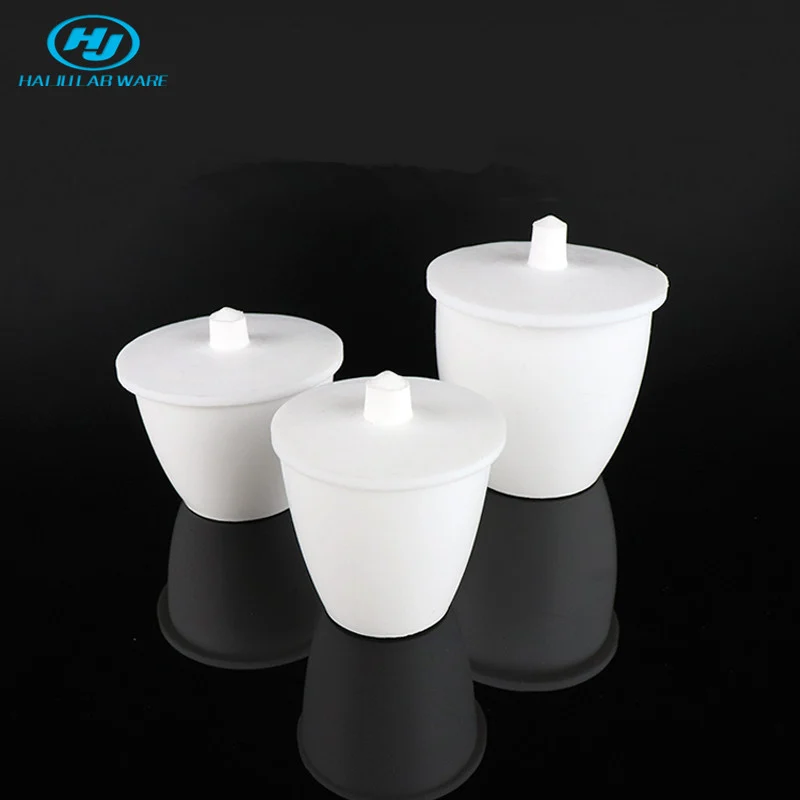
When conducting high-heat experiments, the integrity of your results depends heavily on the crucible vessel holding your sample. A high-quality crucible is not merely a container; it is a critical component that interacts with your sample under extreme thermal stress. In my years of working with thermal analysis equipment, I have observed that researchers often overlook the material science behind selecting the right crucible. Whether you are performing Differential Scanning Calorimetry (DSC) or Thermogravimetric Analysis (TGA), the chosen crucible vessel must withstand elevated temperatures without reacting with the sample or deforming. A well-selected crucible ensures that the chemical composition and thermal properties of your specimen remain untainted, providing the baseline accuracy required for credible scientific data. Choosing the wrong crucible can lead to unexpected baseline shifts, making it difficult to distinguish between sample behavior and container interference. Always utilize a high-purity crucible for experiments requiring high sensitivity.
The primary challenge in selecting a crucible is matching its material properties to your experimental temperature range and chemical environment. For high-heat applications, materials such as Alumina, Platinum, or specialized Quartz are typically employed because they exhibit high melting points and chemical inertness. For instance, Alumina is a popular choice for experiments requiring stability up to 1700°C because it provides excellent resistance against oxidative environments. Conversely, if your experiment involves molten metals, you might require a different grade of crucible to prevent alloy contamination. When you analyze the specifications for a crucible, pay close attention to its maximum operational temperature and its thermal expansion coefficient. Using a crucible that is not compatible with your material can lead to vessel failure, which not only ruins your expensive sample but can also cause costly damage to the furnace components of your analytical instruments. Always verify that your chosen crucible can handle the specific heating rate your experiment requires, as rapid temperature ramps can induce localized thermal stresses on the crucible surface.
The physical geometry of your crucible significantly influences the heat transfer dynamics between the furnace and the sample. In high-heat experiments, the volume and shape of the crucible determine how uniformly the heat is distributed. A shallow, wide-diameter crucible is often preferred when you need to maximize the surface area for gas-solid reactions, while a deep, narrow crucible vessel is more suitable for experiments where you need to contain liquids or prevent material spattering during rapid heating phases. In our lab, we emphasize the importance of selecting a crucible size that matches the sample mass. Overloading a small crucible can lead to non-uniform heating, resulting in inaccurate thermal transition peaks in your analysis. By optimizing the crucible choice according to the mass and physical state of your sample, you enhance the repeatability of your experiments and reduce the experimental noise that often plagues high-temperature research. Consistent crucible geometry is vital when you are running a series of comparative experiments to validate experimental trends.
Even the best crucible will fail to provide accurate results if it is not handled with professional care. High-temperature residues, if left inside the crucible, can cause unexpected chemical reactions during subsequent experiments. I always recommend implementing a rigorous cleaning protocol for your laboratory equipment, ensuring that each crucible is properly decontaminated and dried after every run. When handling these sensitive components, using non-contaminating tools is essential. Small scratches or micro-fissures in the surface of a ceramic or quartz crucible can create stress concentration points, which may lead to catastrophic cracking when the vessel is subjected to rapid heating or cooling cycles (thermal shock). By maintaining a disciplined approach to the inspection and storage of your labware, you significantly extend the lifespan of every crucible and guarantee that your high-heat datasets remain reliable over time. Regular visual inspection under a magnifying glass can help identify early signs of crucible material fatigue or surface degradation before they become critical issues.
The final aspect of the selection process involves procuring labware from a source that provides consistent quality and clear technical data. Not all products are manufactured to the same standard. When purchasing your crucible, look for providers like YYHaijLab that offer detailed specifications, including maximum temperature ratings and material purity percentages. This level of transparency is essential for the reproducibility of your scientific results. If you cannot rely on the quality of your consumable crucible labware, you cannot rely on the outcomes of your experiments. Reliable data starts with reliable equipment. By ensuring that your crucible adheres to the highest manufacturing standards, you minimize the variables that could invalidate your research findings. Furthermore, building a relationship with a supplier that understands the complexities of high-heat experimental setups can provide you with the technical support needed when you encounter challenging material interactions in your advanced laboratory testing scenarios involving specialized crucible designs.
Ultimately, the decision to select a specific type of crucible should be guided by your specific experimental requirements and the need for high-quality, verifiable data. Trustworthiness in science is built upon the reliability of each link in the experimental chain, from the precision of the furnace to the quality of the crucible. As you evaluate your needs, consider the reputation of the supplier and the consistency of the product specifications provided. High-quality labware, like those we focus on at YYHaijLab, are designed to meet stringent tolerances necessary for modern thermal analysis. By choosing a partner that prioritizes material purity and structural precision, you ensure that your research is supported by a stable foundation. Investing the time to select the right crucible tool today will save you countless hours of troubleshooting and re-testing in the future, ultimately leading to more robust and publishable scientific discoveries. The meticulous selection of your high-heat crucible equipment is a hallmark of professional research practices.

 EN
EN