
how-to-use-a-pipette-pump-for-accurate-liquid-flow, how-to-use-a-pipette-pump-for-accurate-liquid-flow, /blog678
EN
2026/09/10
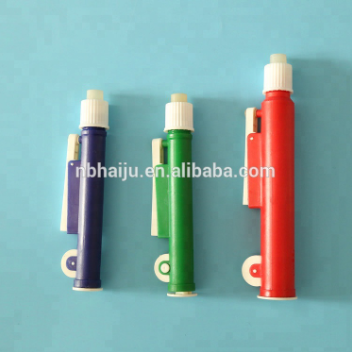
When executing precise analytical assays, biological preparations, or routine chemical titrations, achieving reliable volumetric measurement is critical for experimental success and ultimate data validity. As an operations specialist at Yuyao laboratory equipment facilities, I have encountered numerous situations where research technicians struggle with erratic liquid delivery simply due to improper pipetting techniques or substandard handling tools. A standard pipette pump is engineered to manage glass and plastic volumetric or graduated pipettes safely and efficiently, utilizing a convenient thumbwheel mechanism to control fluid aspiration and dispensing without any oral suction risks. Understanding how to operate a pipette pump correctly allows laboratory personnel to minimize meniscus reading errors, control flow velocity, and enhance overall procedural reproducibility across diverse testing batches. When deploying a pipette pump in daily laboratory workflows, every professional must ensure proper equipment calibration, chemical compatibility, and ergonomic handling. Proper training on manual liquid handling devices forms the foundation of safe and accurate laboratory practices across diverse scientific disciplines. Maintaining strict operational guidelines prevents common experimental inconsistencies and guarantees high reproducibility. Thorough foundational knowledge significantly reduces measurement uncertainty in modern research environments worldwide, ensuring flawless data collection, complete analytical clarity, and highly reliable outcomes.
The operational efficiency of any pipette pump relies heavily on its mechanical configuration and internal sealing integrity. Typically manufactured with a durable corrosion-resistant plastic body, a quality pipette pump features an internal silicone chuck or collet that securely grips various pipette outer diameters, ranging from 1ml to 25ml capacities. Rotating the knurled thumbwheel upward draws liquid into the pipette column, while downward rotation expels fluid smoothly. Furthermore, pressing the quick-release plunger button allows for rapid emptying of the pipette when performing fast volumetric transfers. At Yuyao, we emphasize that maintaining proper alignment between the pipette barrel and the pump chuck prevents air leaks and ensures consistent vacuum pressure. Operators must inspect these moving components regularly to guarantee that fluid does not breach the internal chamber, which could compromise mechanical function and lead to cross-contamination between experimental batches. Choosing a reliable pipette pump ensures long-term operational stability and superior performance.
Achieving exact liquid flow and precise meniscus alignment requires a systematic, step-by-step operational workflow and careful attention to detail. First, securely insert the upper stem of the clean pipette into the flexible collet of the pipette pump, ensuring a tight, airtight seal without applying excessive force that could fracture the delicate glass. Next, immerse the lower tip of the pipette beneath the liquid surface, being careful not to touch the bottom or sides of the container. Gently rotate the thumbwheel upward to draw the liquid slightly above the desired calibration mark. Wipe the outside of the pipette tip with a lint-free tissue to remove clinging droplets, then slowly lower the meniscus to the exact calibration line by rotating the thumbwheel in reverse or gently depressing the side release lever. Finally, transfer the pipette to the receiving vessel and dispense the contents completely, following standard volumetric delivery protocols. Proper utilization of a pipette pump guarantees exceptional experimental accuracy across various scientific applications.
Maximizing the working lifespan and measurement accuracy of a pipette pump requires adherence to proper daily maintenance and handling protocols. Operators should avoid pulling corrosive acids or volatile organic vapors directly into the pump body, as prolonged exposure can degrade internal silicone seals and plastic housings. When handling viscous solutions, technicians must draw fluids at a slower rate to prevent air bubble formation and ensure complete volume filling. At Yuyao, we strongly advise disassembling and cleaning the collet and internal components periodically with mild laboratory detergents to remove residue buildup. Proper storage in an upright position on a dedicated rack protects the device from physical drops and environmental contamination, ensuring that every pipette pump remains in optimal working condition for future laboratory applications. Routine inspection prevents premature mechanical wear and tear, securing optimal functionality and long-term durability.
Mastering the use of a pipette pump remains an essential competency for achieving reliable, reproducible, and accurate results in modern scientific laboratories. By combining proper thumbwheel control, rigorous meniscus alignment, and regular maintenance routines, researchers can eliminate common volumetric errors and enhance laboratory safety. As laboratory procedures continue to demand higher levels of precision, utilizing dependable liquid handling tools from trusted suppliers like Yuyao ensures that every experimental protocol meets elite quality standards. Embracing these practical techniques fosters long-term operational excellence and supports accurate scientific discovery. Selecting a high-performance pipette pump transforms routine laboratory workflows and maximizes overall productivity. Continuous improvement in manual liquid handling guarantees enduring scientific excellence across all experimental domains.

 EN
EN