Comprehensive Guide to Laboratory Vortex Mixer Operation and Safety Precautions
Rapid fluid homogenization is an everyday necessity in analytical chemistry, molecular biology, and clinical testing laboratories. To achieve this, the laboratory vortex mixer serves as a vital benchtop tool, relying on an eccentric mechanism to drive fluids into a turbulent vortex. However, despite its compact footprint, this high-frequency vortex shaking equipment requires adherence to specific operational boundaries to prevent sample spillage, motor burnout, and mechanical displacement. As a trusted global developer of premium sample preparation instruments, HAIJU LAB WARE has created this practical manual to assist your technical team in mastering standard vortex mixer operation while maintaining an accident-free workplace.
1. Initial Environmental Requirements and Pre-Run Inspection
Before plugging in your liquid handling hardware, setting up the immediate physical environment is the first line of defense in vortex mixer safety. The instrument must always be positioned on a firm, completely level, and clean workspace. Because high-frequency oscillations can cause lower-grade instruments to "walk" or slide across a slick bench, keeping the surface free of oily films or chemical residue is essential. Additionally, the ambient atmosphere must be entirely free of corrosive gases, and the bench area must maintain a well-ventilated airflow profile to prevent localized heat accumulation during extended duty cycles.
Before flipping the power switch on your laboratory vortex mixer, operators must complete a brief visual inspection. First, verify that all system accessories are complete and securely mounted. Second, check that the supplied facility voltage perfectly matches the electrical requirements printed on the manufacturer's data plate. Third, ensure the grounding circuit of the equipment is securely connected to prevent static accumulation or shorts. Finally, perform a physical sweep to check whether any external housing components are damaged, loose, or need replacement, guaranteeing that mechanical defects never interfere with your daily test tube mixing protocols.
2. Dynamic Fluid Balancing and Smooth Acceleration Techniques
Achieving pristine fluid homogeneity during vortex mixer operation depends heavily on balancing kinetic forces. Before initializing any run, always set the speed control knob to its minimum position and verify that the primary power switch is turned off. This simple baseline habit prevents sudden torque spikes from throwing sample tubes out of the mixing head during startup.
When managing multiple containers simultaneously, optimizing your equipment's balance performance is critical for minimizing structural vibration. If you are using a multi-tube head attachment on your vortex shaking equipment, all test bottles must be evenly distributed across the mixing platform, and the fluid contents of each bottle should be approximately equal in mass and volume. If you do not have enough sample vials to fill every slot on the pad, place your active test bottles symmetrically across from one another, or fill empty spaces with dummy vials containing an equal amount of water. This symmetrical balancing approach neutralizes offset centrifugal forces, stabilizing your benchtop centrifuge operation or vortex routine. Once balanced, turn on the power, check that the indicator light illuminates, and slowly adjust the speed control knob upward until you reach your required mixing velocity.
3. Mastering Operational Modes and Maintenance Handcraft
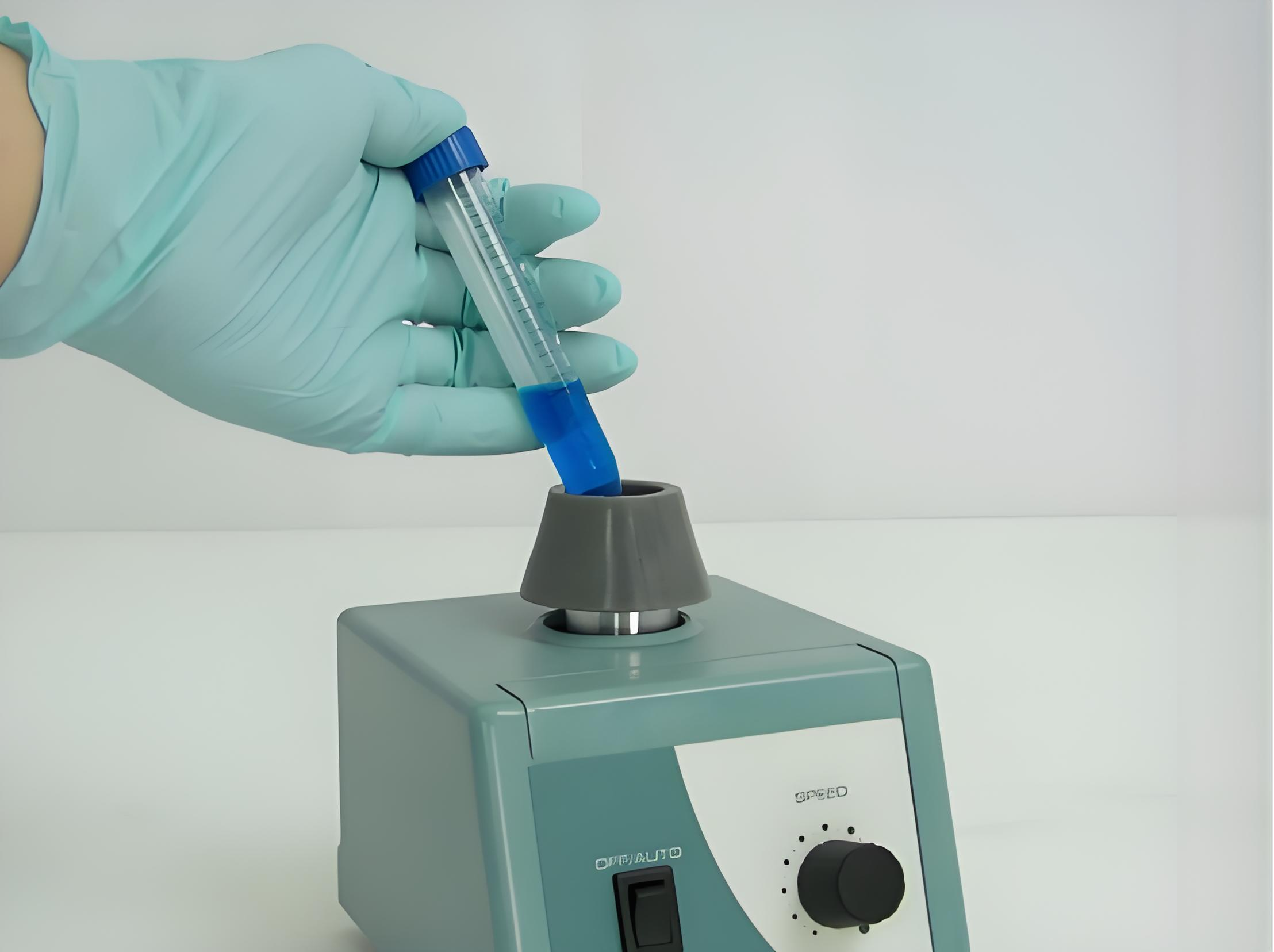
Operating a modern laboratory vortex mixer involves selecting the right mixing mode for your specific assay requirements. After securing a stable working interface on a standard 220V (50Hz) line and activating the power switch, you can utilize two distinct processing options. For processing a single vial, the touch-activated "jog mode" is highly efficient. Simply hold the individual test tube upright by hand and gently press the bottom of the vial down onto the center of the rotating sponge head. The pressure sensor instantly triggers localized oscillation. For high-throughput workflows or multi-tube configurations, switch the device into "continuous mode," which engages continuous, hands-free oscillation across the entire platform.
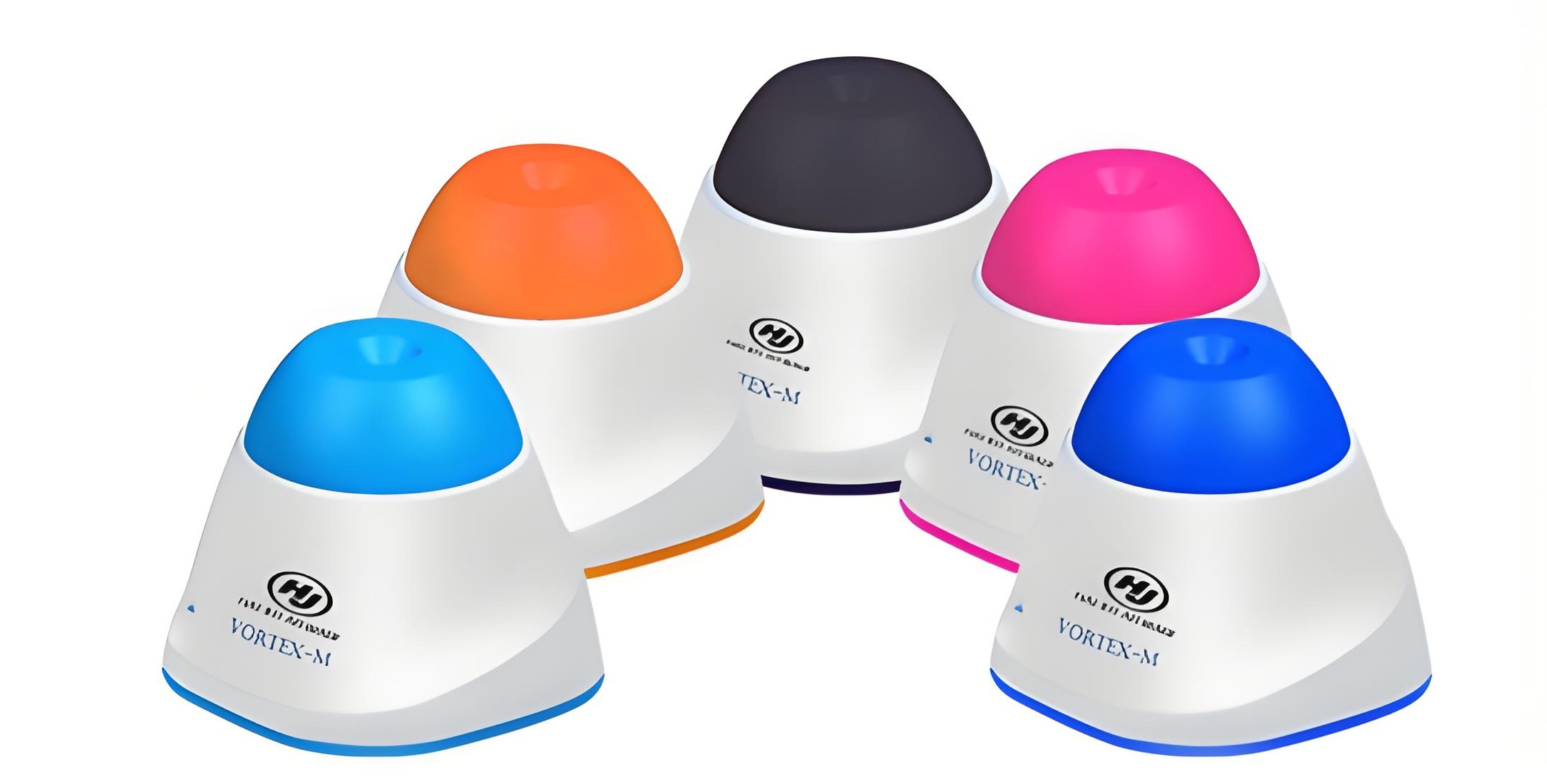
Over months of high-throughput test tube mixing, the rubberized or sponge mixing head will eventually show signs of friction wear or chemical degradation. Rather than discarding the assembly, HAIJU LAB WARE supports cost-effective lab management with a simple engineering DIY fix: unbolt the bottom plate, carefully cut two fresh foam or sponge pieces matching the dimensions of the original head template, adhere them securely using a high-strength industrial glue, and reinstall the assembly to resume standard testing. Once your laboratory experiment concludes, always unplug the power cable from the socket to isolate the internal circuitry and maximize facility safety.
4. Comprehensive Electrical Safeguards and Operational Restrictions
Long-term equipment reliability requires strict adherence to electrical and physical boundaries. The input power supply provided at the user site must consistently meet the parameters specified by HAIJU LAB WARE. If the internal circuit protection triggers and you need to replace a blown fuse, you must pull the power cord completely out of the wall socket first to cut off all electrical currents. Always replace the failed component with a fuse of the identical type and rating to avoid fire hazards. If an internal electrical fault persists, stop using the unit immediately and hand it over to certified electronics professionals for diagnostic repair.
Physical boundaries are equally critical for preventing workplace accidents. It is strictly forbidden to place your fingers, pipettes, or foreign objects into the internal movement gaps or under the shroud while the motor is spinning. Furthermore, never attempt to physically move, tilt, or lift the vortex shaking equipment while it is actively running. If your laboratory space requires placing the vortexer on a high shelf or elevated tier, the equipment must be constantly supervised while working to prevent accidental falls caused by harmonic vibrations. Finally, before applying any liquid cleansers or wiping down the external casing, always pull the power plug to eliminate any risk of shock. By embedding these foundational rules into your facility's daily vortex mixer safety protocol, HAIJU LAB WARE ensures your team delivers highly reproducible research while maintaining an exceptionally safe laboratory workspace.

 EN
EN
