
magnetic-hotplate-stirrer-maintenance--operation-guide, magnetic-hotplate-stirrer-maintenance--operation-guide, /news
EN
2026/06/14

Ultimate Guide to Magnetic Hotplate Stirrer Maintenance and Operation
In any modern chemistry, biology, or industrial testing laboratory, the laboratory magnetic stirrer is an absolute workhorse. From blending low-viscosity chemical solutions to managing complex, temperature-sensitive synthesis reactions, this dual-function instrument is central to daily workflows. However, improper operation and neglected upkeep can easily lead to decoupling issues, motor burnout, or even severe thermal accidents. As a global leader in professional laboratory solutions, HAIJU LAB WARE presents this comprehensive guide to magnetic hotplate stirrer care, ensuring your equipment operates safely and yields reproducible results for years to come.
1. Core Operating Protocols: Safety and Fluid Dynamics
When executing any laboratory heating and stirring task, equipment and personal safety must come first. Before you turn on the machine, you must verify that the magnetic hotplate stirrer is reliably grounded. Proper electrical grounding protects both sensitive internal microprocessor controls and the operator from unexpected power surges.
Managing the rotation speed of your laboratory magnetic stirrer is an art in fluid dynamics. When you are ready to mix your samples, always adjust the speed control knob slowly and gradually. A common mistake is turning the speed up too quickly. This sudden acceleration causes the internal magnetic drive steel to lose its physical grip on the stirring rotor inside the flask. When this separation occurs, the magnet undergoes a "spin-out" and begins beating erratically against the glass. If your rotor starts bouncing, you must quickly move the speed knob back to the stop position. Wait until the stir bar comes to a complete rest, and then slowly increase the speed again to maintain a stable, synchronized coupling.
Furthermore, handling volatile chemical components or high-viscosity materials like epoxy resins requires meticulous care during laboratory heating and stirring. High-viscosity liquids naturally exhibit poor thermal conductivity at room temperature. If you ramp up the temperature too quickly, localized hot spots will form at the base of your glassware, causing thermal shock and shattering the container. To prevent this, HAIJU LAB WARE advises utilizing the instrument's constant temperature device to raise the heat gradually in stages. For maximum accuracy, the external thermal sensing element must be fully submerged into an external water jacket or oil bath rather than resting on dry hot metal surfaces.
2. Standardized Daily Workflow and Maintenance Routines
To keep your magnetic hotplate stirrer in peak condition, your team should adhere to a strict, step-by-step operating checklist. Start by placing the test bottle or flask containing your solution and the magnetic stir bar directly onto the center of the working top plate. Next, connect the external power supply, flip the main power switch, and verify that the power indicator light is illuminated.
If your protocol requires thermal energy, switch on the heating toggle. Insert the external temperature sensor into the fluid matrix and carefully adjust the temperature control knob to your target scale. Never let a laboratory magnetic stirrer run its heating elements without liquid in the vessel, as dry heating can permanently deform the top plate.
Important Advisory from HAIJU LAB WARE: The internal heating coils of any premium magnetic hotplate stirrer have a strict thermal upper limit. To protect the machine from heat buildup, never use the heating element in isolation. Always ensure that the motor is set to a rotating state while heating is active. The circulating fluid helps dissipate excess thermal energy away from the top plate, guarding the sensitive internal motor components against overheating.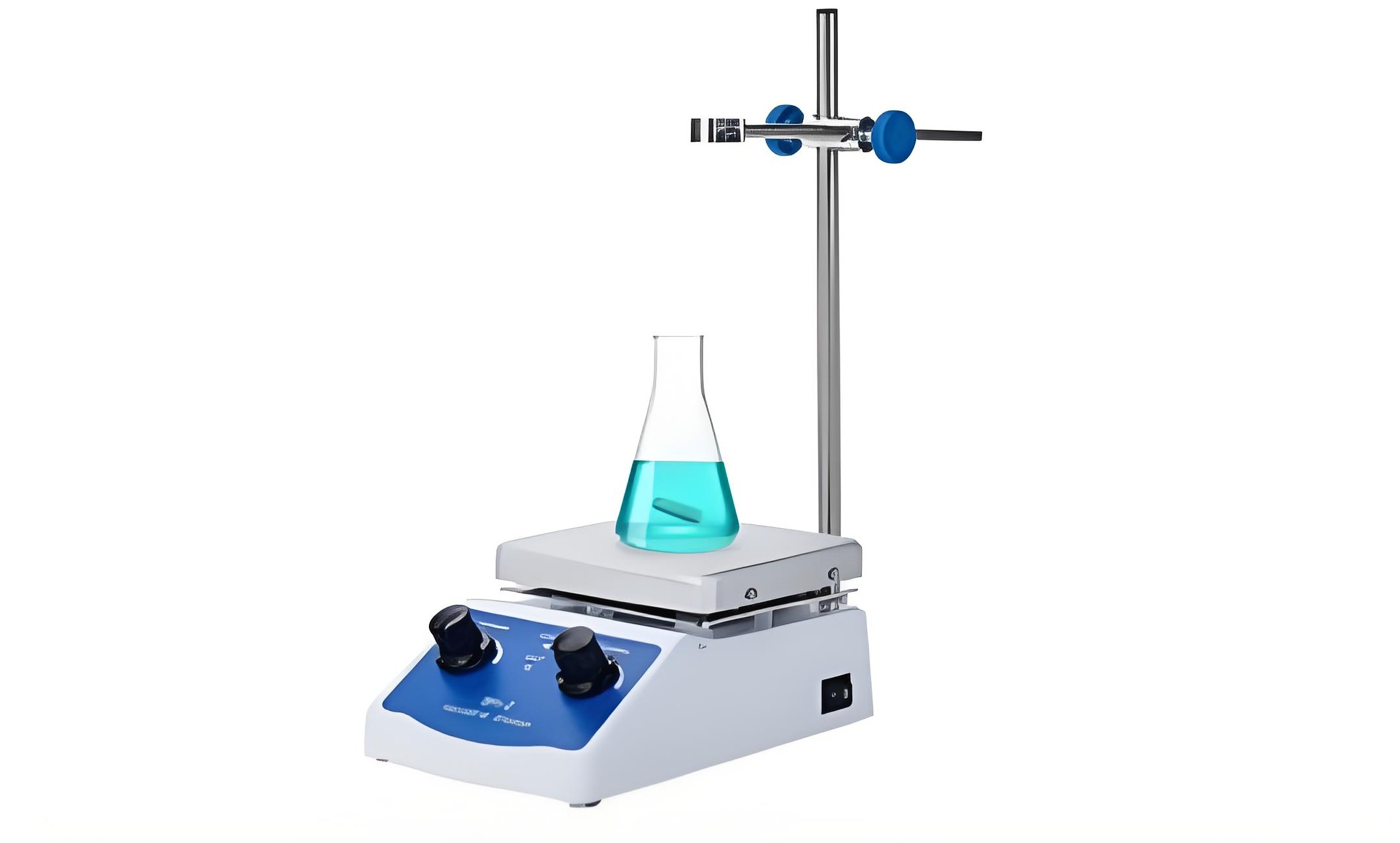
Accidents happen, but how you react matters. If any solution spills onto the top aluminum plate during operation, it can quickly corrode the metal or generate hazardous vapor clouds that damage the underlying heating elements and electrical motors. You must turn off the main power supply immediately and remove the residue. Once your experiment is finished, turn the speed knob down to its lowest setting, return the heating switch to its non-working state, cut off the main power, and wipe clean the working top plate and sensors until no water droplets or dirt remain. Consistent magnetic stirrer maintenance prevents cross-contamination and prolongs equipment lifespans.
3. Advanced Troubleshooting and Diagnostic Frameworks
When an instrument malfunctions, blind disassembly often causes more harm than good, resulting in compounding mechanical defects. Professional magnetic stirrer maintenance relies on systematic, logical diagnosis. If your device fails, do not start unscrewing the casing right away. First, consult with the laboratory technician who was using the machine to gather clear details about the failure sequence and specific error symptoms.
Before looking inside the machine, inspect the exterior housing for obvious structural cracks, deep dents, or loose connections. Review the unit's operational history, total service life, and past maintenance records to identify recurring issues. Prior to opening the unit, eliminate all external variables—such as bad power cords or faulty wall outlets.
For complex or unfamiliar models, ensure you understand the core circuit principles and structural design layouts before opening the shell. If an official assembly diagram is unavailable, draw a detailed, labeled sketch during disassembly to track the precise location, wiring paths, and functional relationships of each internal electrical component. By adopting these careful, structural habits for magnetic stir bar troubleshooting, you can ensure your laboratory hardware remains robust, reliable, and perfectly calibrated. HAIJU LAB WARE continues to pioneer durable, ultra-precise laboratory instruments, backing your critical research with industry-leading engineering standards.

 EN
EN