
magnetic-stirrer-bar-compatibility-with-lab-vessels, magnetic-stirrer-bar-compatibility-with-lab-vessels, /blog678
EN
2026/08/10
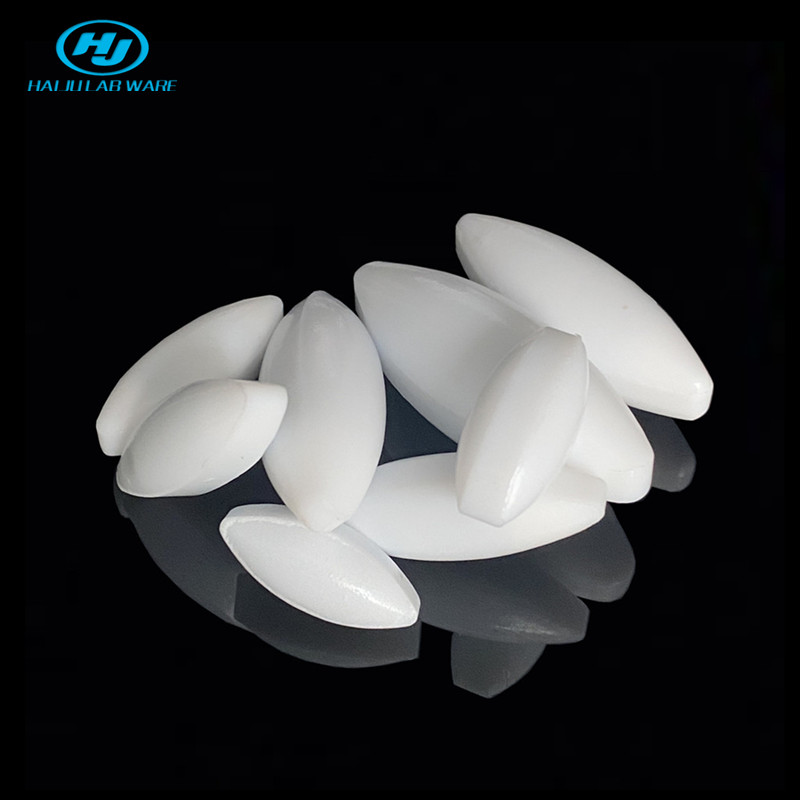
Achieving consistent, reproducible, and highly accurate results in chemical, biological, and pharmaceutical applications relies heavily on the foundational equipment utilized during experimental procedures. Among these essential tools, the magnetic stirrer bar stands out as a critical component designed to maintain uniform and homogeneous solutions without the need for mechanical overhead shaft intrusion. Based on extensive hands-on laboratory experience and rigorous equipment validation, utilizing the correct magnetic stirrer bar is paramount for preventing vortex instability, minimizing friction-induced heat transfer, and ensuring optimal fluid dynamics inside diverse containment vessels. Whether you are mixing low-viscosity aqueous solutions or complex suspensions, a high-quality magnetic stirrer bar provides the rotational momentum required to drive efficient mass transfer. The magnetic stirrer bar operates by coupling with a rotating electromagnetic field generated by the base plate, translating invisible magnetic forces into kinetic mixing energy. Over years of observing fluid behaviors in analytical settings, it is evident that selecting the proper magnetic stirrer bar directly impacts the success of an assay. When a magnetic stirrer bar is carefully matched to its corresponding lab vessel, it guarantees that sensitive chemical reactions proceed under ideal kinetic conditions, highlighting the undeniable importance of a well-chosen magnetic stirrer bar.
The physical architecture and bottom profile of a laboratory containment vessel directly dictate the operational performance and stability of any magnetic stirrer bar. Flat-bottomed containers, such as standard borosilicate glass beakers, heavy-duty Erlenmeyer flasks, and straight-sided media storage bottles, generally allow a standard cylindrical or octagonal magnetic stirrer bar to rotate smoothly along a uniform, uninterrupted horizontal plane. However, round-bottom flasks and specialized conical reaction vessels present highly unique fluidic challenges due to their curved or tapered interior surfaces. In these rounded vessels, a standard flat magnetic stirrer bar may wobble unsteadily, skip erratically, or fail to couple properly with the external drive magnet. Laboratory professionals and expert researchers working with spherical or conical glassware rely on a specially designed oval magnetic stirrer bar or a pivot-ring magnetic stirrer bar. These specialized profiles maintain stable, centralized contact points and prevent disruptive wobbling during high-speed agitation protocols. By adapting the shape of the magnetic stirrer bar to the specific geometry of the vessel's base, operators can eliminate dead zones where unmixed reagents might settle. Ultimately, understanding how a magnetic stirrer bar interacts with different physical contours prevents common mixing failures, ensuring that the magnetic stirrer bar operates efficiently regardless of the vessel's structural complexity.
Modern laboratory containment vessels are manufactured from a diverse array of advanced materials, including premium borosilicate glass, optically clear quartz, and high-performance chemically resistant plastics such as polypropylene, polycarbonate, or PFA. Correspondingly, a laboratory-grade magnetic stirrer bar is almost universally encapsulated in pure polytetrafluoroethylene (PTFE) to withstand highly aggressive chemical environments, concentrated strong acids, caustic bases, and corrosive organic solvents. From a strict technical expertise standpoint, maintaining absolute chemical inertness between the exterior encapsulation of the magnetic stirrer bar and the vessel interior is critically important to avoid cross-contamination or structural degradation of the sample. While the PTFE coating on a magnetic stirrer bar offers exceptional resilience across extreme temperature ranges and fluctuating pH levels, operators must remain vigilant regarding mechanical wear. One must ensure that the mechanical friction generated between the rapidly spinning magnetic stirrer bar and the vessel floor does not compromise thin-walled plastic containers or microscopically scratch delicate glass surfaces over prolonged operational cycles. Choosing a remarkably smooth, defect-free magnetic stirrer bar minimizes abrasive contact. Trustworthy experimental outcomes require that the magnetic stirrer bar remains chemically invisible to the reaction, proving that the material integrity of the magnetic stirrer bar is just as crucial as its kinetic function.
Selecting an appropriately sized magnetic stirrer bar for a specific vessel volume and diameter remains one of the most vital yet frequently overlooked steps in experimental design. Utilizing a magnetic stirrer bar that is fundamentally too small for a large-capacity flask results in remarkably poor magnetic coupling and insufficient vortex generation, subsequently leaving stagnant, unmixed zones near the outer perimeters of the liquid solution. Conversely, selecting a magnetic stirrer bar that is overly long relative to the vessel's inner horizontal diameter causes violent striking against the fragile container walls. This severe mismatch produces distracting acoustic noise, accelerated mechanical wear, and the highly dangerous potential for catastrophic glass fracture. Authoritative best practices established in analytical chemistry suggest that the overall length of the magnetic stirrer bar should generally span approximately seventy to eighty percent of the flat interior base diameter of the chosen vessel. Adhering to this sizing ratio ensures that the magnetic stirrer bar facilitates a balanced momentum distribution across the entire liquid medium. Furthermore, considering fluid viscosity is essential; a heavier, highly magnetic stirrer bar is required to overcome the physical resistance of thick biological media, proving that correctly sizing the magnetic stirrer bar is a precise science.
Even with meticulous planning and optimal equipment selection, laboratory operators frequently encounter the frustrating phenomenon of magnetic decoupling, commonly referred to as "spin-out." This occurs when the internal magnetic stirrer bar completely loses synchronization with the external drive magnet due to rapidly increasing solution viscosity, aggressive acceleration rates, or improper vessel misalignment on the stir plate. When scaling up fluid volumes or processing highly viscous mixtures, a standard magnetic stirrer bar may begin to slip or spin uncontrollably, severely disrupting the mixing process. Practical, experience-based troubleshooting involves gradually ramping up the rotational speed rather than initiating an immediate, high-RPM agitation command. Furthermore, users must ensure the vessel is centered perfectly over the magnetic drive to maximize the attractive force reaching the magnetic stirrer bar. Verifying that the internal magnetic field strength of the magnetic stirrer bar matches the density and physical resistance of the fluid is another highly trusted methodology for resolving inconsistencies. By implementing these systematic adjustments, laboratory technicians guarantee consistent, reproducible agitation performance. Ultimately, proper maintenance, correct alignment, and mindful operation of the magnetic stirrer bar will drastically prolong the lifespan of both the magnetic stirrer bar itself and the expensive laboratory vessels it serves.

 EN
EN