
preventing-cross-contamination-with-a-stir-bar-retriever, preventing-cross-contamination-with-a-stir-bar-retriever, /blog678
EN
2026/08/20
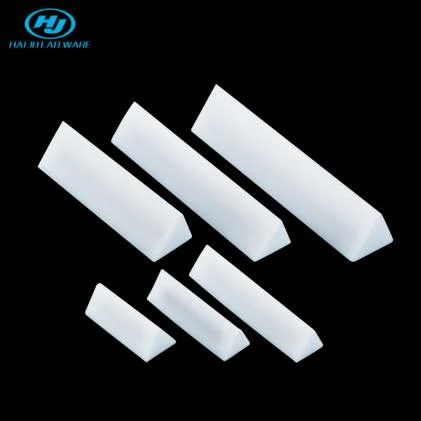
When working in a professional chemistry or biology laboratory, maintaining sample purity is vital to achieving reliable and reproducible experimental results. Many researchers encounter challenges when transferring or recovering magnetic stirring pellets from complex reaction mixtures. Using unverified tools or improper retrieval methods can easily introduce foreign substances, leading to severe cross contamination between samples. A specialized stir bar retriever is specifically engineered to safely extract magnetic stirring rods from aggressive chemical solutions without compromising the integrity of your experiment. In standard laboratory practice, relying on makeshift devices like spatulas or forceps often results in scratching container walls or failing to securely capture the pellet. By integrating a high-quality stir bar retriever into your daily workflow, every single stir bar retriever establishes a reliable barrier against unwanted particulates and chemical residues, ensuring that each assay remains uncontaminated from start to finish. Therefore, choosing a dependable stir bar retriever is paramount for accurate lab safety.
A professional-grade stir bar retriever typically consists of a chemically inert outer casing, such as PTFE (polytetrafluoroethylene) or high-grade polypropylene, enclosing a powerful permanent magnet. This material composition is critical because laboratory environments frequently involve harsh acids, bases, or organic solvents that would corrode standard metals. When you operate a stir bar retriever, the protective polymer shield prevents any metallic core from leaching ions into your sensitive solutions. Furthermore, the smooth, non-porous exterior of the stir bar retriever ensures that no residual chemical traces cling to the surface after washing. This inert design characteristic guarantees that every stir bar retriever performs consistently across multiple cycles, maintaining its structural integrity even when exposed to aggressive sterilization or cleaning protocols commonly used in modern research facilities. A proper stir bar retriever remains an essential laboratory component.
Executing a contamination-free liquid transfer requires precision and adherence to standard operating procedures. When a chemical reaction concludes, the magnetic stirring pellet rests at the bottom of a beaker or flask, surrounded by active reagents. Instead of pouring out the solution or fishing blindly, a technician lowers the stir bar retriever along the inner wall of the vessel until it approaches the magnetic pellet. The internal magnet inside the stir bar retriever immediately couples with the stir bar, allowing you to lift it smoothly out of the liquid phase. During this transfer, keeping the stir bar retriever steady prevents splashing or dripping onto adjacent work surfaces. Laboratory personnel should always inspect the tip of the stir bar retriever prior to deployment to verify that no microscopic debris or previous residues remain, thereby safeguarding the purity of the current batch with every stir bar retriever used.
Beyond purity maintenance, operational efficiency is a key consideration in high-throughput laboratory settings. Manually recovering magnetic stirrers without a dedicated stir bar retriever is time-consuming and increases the risk of accidental spillage or glassware breakage. A well-designed stir bar retriever streamlines this process by offering an ergonomic, extended reach that keeps technician hands safely away from hazardous reaction media. When multiple samples are processed sequentially, a reliable stir bar retriever allows for rapid cleaning and redeployment between tests. This reduction in downtime directly translates to higher productivity. Moreover, minimizing direct contact with active chemicals via a stir bar retriever aligns with core laboratory safety protocols, reducing accidental exposure and protecting personnel from potential chemical splashes whenever a stir bar retriever is deployed.
Investing in robust laboratory accessories contributes significantly to long-term cost-efficiency. A durable stir bar retriever resists mechanical wear, thermal shock, and chemical degradation, meaning it rarely requires premature replacement. Proper maintenance of your stir bar retriever involves rinsing it with deionized water or compatible solvents immediately after use, followed by standard storage in a dry environment. When laboratories standardize on a high-grade stir bar retriever, they minimize equipment failure rates and lower overall operational expenses over time. This economic benefit, combined with uncompromised analytical precision, makes each stir bar retriever an indispensable asset for any facility striving for excellence in chemical and biological research.
Ultimately, the reliability of scientific data depends heavily on the meticulous control of every variable, including sample handling instruments. Utilizing a dedicated stir bar retriever ensures that your physical manipulations do not inadvertently alter chemical compositions or introduce foreign elements. Whether you are conducting academic research, pharmaceutical formulation, or industrial quality control, the role of a stir bar retriever remains consistently critical. By standardizing your protocols around a trusted stir bar retriever, you reinforce a culture of precision and cleanliness. Always select a stir bar retriever that matches your specific container dimensions and chemical exposure requirements to achieve optimal performance and secure absolute confidence in your laboratory outcomes through every stir bar retriever operation.
Reproducibility is the cornerstone of credible scientific publishing and industrial production. Even minor inconsistencies in equipment handling can lead to divergent results that invalidate entire data sets. When researchers fail to utilize a proper stir bar retriever, microscopic residues from previous assays can transfer into fresh solutions, acting as unintended catalysts or inhibitors. Incorporating a dedicated stir bar retriever eliminates this variable entirely by providing a pristine, chemically inert interface for every retrieval task. Laboratories that mandate the use of a clean stir bar retriever consistently report lower rates of experimental failure and greater consistency across batches. By treating the stir bar retriever as a critical precision instrument rather than a mere accessory, organizations elevate their overall research quality, safeguarding their scientific reputation and operational standards with every reliable stir bar retriever.

 EN
EN