
selecting-a-centrifuge-tube-for-chemical-analysis, selecting-a-centrifuge-tube-for-chemical-analysis, /blog678
EN
2026/09/14
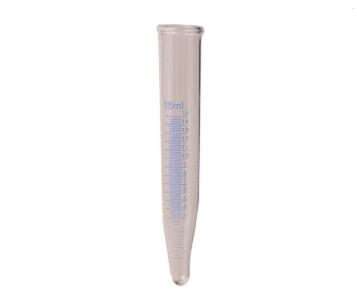
When setting up a modern laboratory or managing routine chemical analysis workflows, selecting the correct consumable supplies is crucial for precision and safety. Among the various essential plastic labware items, the standard centrifuge tube plays a foundational role in sample preparation, separation, centrifugation, and temporary storage. At Yuyao, we understand that selecting the right specifications helps laboratories prevent sample loss, structural cracking, and chemical contamination during high-speed operations. A centrifuge tube is not merely a generic plastic vial; it is a specialized vessel engineered to withstand intense centrifugal forces without deforming. Every high-performance centrifuge tube must align with strict laboratory standards to ensure consistent separation results across diverse testing procedures. Understanding these basic design and operational principles allows laboratory technicians and procurement specialists to make informed purchasing choices. Integrating the appropriate centrifuge tube into daily standard operating procedures safeguards sample integrity and enhances overall operational efficiency in professional research facilities. Furthermore, utilizing a properly specified centrifuge tube ensures that each experimental run remains completely reliable and reproducible. Integrating advanced engineering practices ensures that every individual centrifuge tube performs reliably under extreme laboratory conditions.
Laboratory protocols vary significantly across industries, requiring diverse volumetric options ranging from micro-centrifuge sizes to larger conical tubes. Selecting the correct centrifuge tube size depends heavily on sample volume, centrifugation equipment compatibility, and the nature of the chemical testing being performed. For instance, smaller micro-centrifuge tubes are exceptionally well-suited for molecular biology applications, enzyme assays, and handling minute reagent volumes with high precision. Conversely, larger conical variants are ideal for general chemistry labs where technicians routinely process bulk liquid samples, precipitation steps, and phase separations. Choosing an optimal capacity centrifuge tube prevents unnecessary sample splitting while ensuring that equipment rotors remain balanced during high-speed rotation. In high-throughput workflows, utilizing a reliable centrifuge tube of the precise volume eliminates procedural delays and maximizes daily laboratory productivity. Each standardized centrifuge tube must offer predictable volume markings and clear graduation lines to facilitate accurate liquid measurement during complex analytical procedures. Careful evaluation of every centrifuge tube guarantees seamless integration into existing laboratory equipment setups.
Beyond physical dimensions and capacity, the polymer composition and structural integrity of a centrifuge tube significantly impact its chemical resistance and reliability. Premium laboratory centrifuge tubes are typically manufactured from high-purity, medical-grade polymers such as polypropylene, known for exceptional clarity, thermal stability, and chemical inertia. When exposed to various organic solvents, acids, or bases during chemical analysis, a properly engineered centrifuge tube maintains structural stability without leaching extractables into the sample matrix. Furthermore, wall thickness and cap design are critical parameters; uniform walls prevent stress concentration points during centrifugation, while secure screw caps or snap caps eliminate leakage risks. Every standard centrifuge tube must offer optimal mechanical strength and dependable sealing performance, ensuring that volatile or hazardous solutions remain safely contained throughout testing cycles. Selecting a chemically resistant centrifuge tube protects both the operator and the sample from unexpected environmental interactions. Proper manufacturing controls ensure that each produced centrifuge tube delivers optimal performance under chemical stress.
Laboratory safety mandates rigorous protocols for handling, processing, and containing chemical reagents and biological samples. Utilizing a dedicated, high-quality centrifuge tube prevents cross-contamination, aerosol generation, and accidental spills that could compromise analytical accuracy or endanger personnel. Regulatory compliance and laboratory safety guidelines emphasize leak-proof closures and certified purity standards to protect operators from hazardous chemical splashes. At Yuyao, our manufacturing guidelines prioritize secure seal construction and clean production environments to ensure that every centrifuge tube meets rigorous quality benchmarks. By adhering to established laboratory safety practices and utilizing a properly rated centrifuge tube, facilities maintain a secure and compliant working environment for all staff members. Each specialized centrifuge tube must adhere strictly to chemical compatibility limits, ensuring that adverse reactions are entirely avoided during routine testing procedures. Maintaining strict cleanliness standards for every single centrifuge tube prevents background contamination in sensitive analytical assays. Strict quality control measures guarantee that every single centrifuge tube meets international safety specifications.
Maximizing the lifespan and performance of laboratory consumables requires consistent handling practices, proper storage routines, and periodic inspection. Even durable plastic centrifuge tube units require storage in clean, dry environments away from direct sunlight to prevent polymer degradation over time. Technicians should inspect each centrifuge tube for micro-cracks, discoloration, or packaging defects prior to high-speed centrifugation to avoid catastrophic tube failure inside the rotor. If a protocol involves freezing samples, choosing a specially rated cryogenic centrifuge tube prevents brittle fracture at ultra-low temperatures. Implementing these simple yet effective operational practices ensures reliable performance across diverse experimental applications, supporting long-term laboratory productivity, data accuracy, and sample safety. Proper handling of every unused centrifuge tube guarantees that laboratory staff can consistently achieve reliable and accurate experimental results across all testing phases. Proper storage and handling protocols ensure long-term reliability for every specialized centrifuge tube utilized in research.

 EN
EN