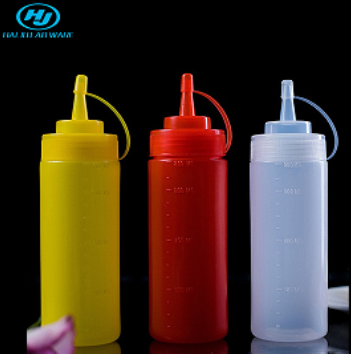
Understanding the Fundamentals of Laboratory Liquid Dispensing
When setting up a modern laboratory or outfitting a daily workflow bench, selecting the appropriate tools is essential for accuracy, safety, and operational efficiency. Among the various essential pieces of plastic labware, the humble wash bottle plays a remarkably critical role in everyday laboratory tasks such as rinsing glassware, cleaning equipment, and dispensing distilled water or chemical solutions. At Yuyao, we recognize that practitioners often overlook the importance of choosing the correct size and specification for their specific applications. A wash bottle is not merely a plastic container with a nozzle; it is a precision instrument designed to deliver controlled streams of liquid without splashing or contamination. Every single wash bottle manufactured must meet rigorous standards to ensure smooth liquid flow and reliable performance. Understanding the foundational design principles helps laboratory technicians make informed decisions that improve both safety and workflow efficiency. When choosing a wash bottle for daily laboratory operations, professionals evaluate capacity, material flexibility, and nozzle precision. Each wash bottle serves a unique purpose depending on whether the technician is performing micro-rinsing or general vessel cleaning. Therefore, integrating the right wash bottle into standard operating procedures is a vital step for any professional laboratory setting.
Evaluating Volume Options for Different Laboratory Tasks
Laboratory environments vary greatly, ranging from high-throughput industrial testing facilities to educational school laboratories and specialized research institutions. Consequently, wash bottle options are manufactured in various volumetric capacities, typically ranging from 250ml to 1000ml. Selecting the correct size wash bottle depends heavily on the frequency of use and the nature of the procedure being performed. For instance, a smaller 250ml wash bottle is exceptionally well-suited for fine, intricate work, delicate biological staining procedures, or bench spaces with limited storage. Its compact profile allows for effortless handling and precise control during repetitive rinsing tasks. On the other hand, larger capacities such as a 500ml wash bottle or a 1000ml wash bottle are ideal for busy analytical chemistry labs where technicians frequently rinse large volumetric flasks, beakers, and chromatography equipment. Choosing an optimal capacity wash bottle prevents unnecessary refilling interruptions while ensuring that hand fatigue is minimized during extended hours of laboratory operation. In high-frequency workflows, having a reliable wash bottle of the correct volume significantly enhances overall productivity and reduces procedural delays.
Material Selection and Ergonomic Design Considerations
Beyond physical dimensions and capacity, the material composition and physical design of a wash bottle significantly impact its daily utility and durability in professional settings. High-quality laboratory wash bottles are typically constructed from resilient, flexible polymers such as low-density polyethylene (LDPE), known for its exceptional chemical resistance, squeezability, and clarity. When technicians apply gentle manual pressure to the body of an LDPE wash bottle, the material flexes smoothly and returns instantly to its original shape without cracking or deforming over time. Furthermore, nozzle design for each wash bottle is critical; narrow dispensing tips ensure a fine, targeted stream for precise droplet delivery, whereas wider tips accommodate higher flow rates when rapid rinsing of large glass surfaces is required. Ergonomic considerations, such as textured grip surfaces and wide-mouth openings for easy refilling, further enhance usability and reduce spillage risks during busy laboratory shifts. Every standard wash bottle must offer optimal tactile feedback, ensuring that the technician can control liquid output effortlessly. Selecting a well-designed wash bottle minimizes hand strain and supports precise laboratory measurements.
Safety, Compliance, and Contamination Prevention Standards
Laboratory safety standards mandate rigorous protocols for handling, storing, and dispensing chemical reagents and purified water. Using a dedicated wash bottle for specific solvents or distilled water prevents cross-contamination and accidental chemical reactions that could compromise analytical results. Regulatory compliance and laboratory safety guidelines emphasize clear labeling, color-coding, and leak-proof stem designs to protect personnel from hazardous splashes or vapor leaks. At Yuyao, our manufacturing guidelines prioritize secure seal construction between the closure cap and the wash bottle body, ensuring that internal pressures remain stable and volatile liquids do not seep through threaded connections. By adhering to established laboratory safety protocols and utilizing a properly sized, well-sealed wash bottle, facilities maintain a secure and compliant working environment for all staff members. Each specialized wash bottle must adhere strictly to chemical compatibility guidelines, ensuring that hazardous interactions are entirely avoided during routine laboratory procedures.
Practical Best Practices for Maintenance and Longevity
Maximizing the lifespan and performance of laboratory equipment requires consistent maintenance, proper cleaning routines, and periodic inspection. Even durable plastic wash bottle units require regular rinsing with deionized water and thorough air-drying to prevent microbial growth or mineral buildup inside the narrow dispensing stem. Technicians should inspect the nozzle tip of every wash bottle periodically for signs of clogging, residue accumulation, or micro-cracks caused by exposure to aggressive solvents. If a wash bottle nozzle develops an irregular spray pattern, gentle cleaning with a fine wire or replacement of the dispensing assembly restores optimal fluid dynamics. Implementing these simple yet effective maintenance practices ensures reliable performance across diverse experimental applications, supporting long-term laboratory productivity and precision. Proper storage of each unused wash bottle in a clean, dry environment further extends its usability, making every wash bottle a reliable long-term asset for professional scientific research facilities.

 EN
EN