
understanding-magnetic-stirrer-bar-shapes-and-efficiency, understanding-magnetic-stirrer-bar-shapes-and-efficiency, /blog678
EN
2026/09/09
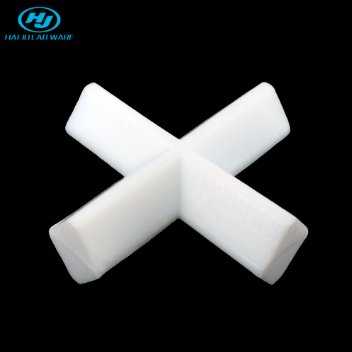
When working in a modern chemical, pharmaceutical, or biological laboratory, selecting the proper magnetic stirrer bar directly impacts experimental reproducibility, fluid dynamics, and overall operational efficiency. As an operations specialist at Yuyao laboratory equipment facilities, I have observed numerous research teams struggle with mixing consistency, low dissolution rates, and vortex collapse simply due to incorrect hardware choices. A standard magnetic stirrer bar features a high-grade permanent neodymium-iron-boron magnet core encased in chemically inert polytetrafluoroethylene, designed to spin smoothly within a sealed container without mechanical shaft contamination. Understanding how different geometric configurations influence fluid movement allows technicians to optimize stirring speeds, reduce shear stress, and prevent decoupling during sensitive chemical reactions. When deploying a magnetic stirrer bar, every laboratory professional must evaluate how physical dimensions and shape dictate fluid behavior inside various vessel types. Ensuring smooth fluid flow prevents undesirable splashing and optimizes reagent interactions across diverse experimental protocols. Furthermore, maintaining proper equipment standards guarantees long-term stability and minimizes experimental errors in routine analysis. Proper laboratory equipment selection remains fundamental for accurate results.
The operational efficiency of any stirring device relies heavily on robust magnetic coupling strength and effective hydrodynamic drag reduction. When placed on a ceramic or glass top plate, the internal magnet of the magnetic stirrer bar aligns seamlessly with the rotating magnetic field generated below the reaction vessel. Cylindrical, octagonal, crosshead, and tapered geometric shapes interact with liquids differently based on fluid viscosity, density, and total solution volume. For instance, standard cylindrical models of the magnetic stirrer bar without pivot rings offer smooth, continuous, low-shear rotation suitable for gentle mixing. In contrast, octagonal designs equipped with central ridges generate increased turbulence and vortex action, making them ideal for mixing higher-viscosity solutions, emulsions, and suspensions. Proper matching of dimensions to the container base diameter ensures stable magnetic coupling even at elevated rotational speeds, preventing erratic jumping. Additionally, understanding the interplay between magnetic flux and fluid resistance empowers operators to fine-tune rotation parameters for optimal mixing results in complex chemical synthesis tasks. Careful calibration ensures consistent fluid dynamics.
Different physical designs of the magnetic stirrer bar serve distinct mixing requirements across industrial manufacturing, chemical synthesis, and educational applications. Standard cylindrical models provide uniform low-shear agitation, making them exceptionally suitable for routine titrations, buffer preparations, and general solution blending. In specialized scenarios, choosing a modified device such as an octagonal bar or a crosshead design creates localized multi-directional shear forces that significantly accelerate powder dissolution rates. Laboratory trials conducted at Yuyao demonstrate that selecting the correct magnetic stirrer bar shape minimizes dead zones at the bottom of round-bottom flasks, flat-bottom beakers, and Erlenmeyer flasks. Technicians should systematically evaluate critical operational factors such as container geometry, solution viscosity, thermal stability, and required vortex depth before choosing a specific configuration for daily laboratory workflows. Proper evaluation ensures that each experiment achieves maximum homogeneity without introducing unwanted thermal fluctuations or mechanical stress into the reaction environment. Comprehensive testing validates mixing performance across varied vessel setups.
Maximizing the working lifespan and stirring efficiency of laboratory mixing equipment requires strict adherence to proper operational protocols and maintenance routines. Laboratory operators should avoid running any magnetic stirrer bar at maximum revolutions per minute when dealing with highly viscous fluids, as magnetic decoupling can cause erratic jumping, scratching, and eventual vessel damage. Additionally, cleaning the PTFE coatings of the magnetic stirrer bar with appropriate chemical solvents prevents cross-contamination between batches. At Yuyao, we strongly advise regular inspection of the magnetic strength and surface integrity of every device, because microscopic cracks or pinholes in the Teflon shell can lead to chemical corrosion and degradation of the internal neodymium core during prolonged exposure to aggressive acids, bases, or organic solvents. Proper storage in a clean, dry container further preserves magnetic properties and prevents physical wear, ensuring reliable performance across multiple operational cycles and demanding research projects. Routine maintenance protocols extend equipment durability.
Selecting the appropriate magnetic stirrer bar remains a foundational and critical step in achieving reliable, reproducible, and efficient laboratory outcomes across diverse industrial sectors. By carefully aligning the specific shape and physical dimensions with unique fluid characteristics, researchers can greatly enhance mixing uniformity and reduce operational downtime. As modern laboratory automation continues to evolve rapidly, precision-engineered magnetic stirrer bar components will undoubtedly play an increasingly vital and sophisticated role in high-throughput chemical synthesis, advanced materials research, and biological sample preparation. Embracing these advanced technological refinements allows facilities to maintain elite performance standards, ensuring that every mixing procedure meets rigorous quality benchmarks and drives innovation forward in scientific discovery. Continuous improvement initiatives foster long-term excellence in laboratory operations worldwide.

 EN
EN