
why-glass-measuring-cylinder-is-preferred-for-chemicals, why-glass-measuring-cylinder-is-preferred-for-chemicals, /blog678
EN
2026/08/19
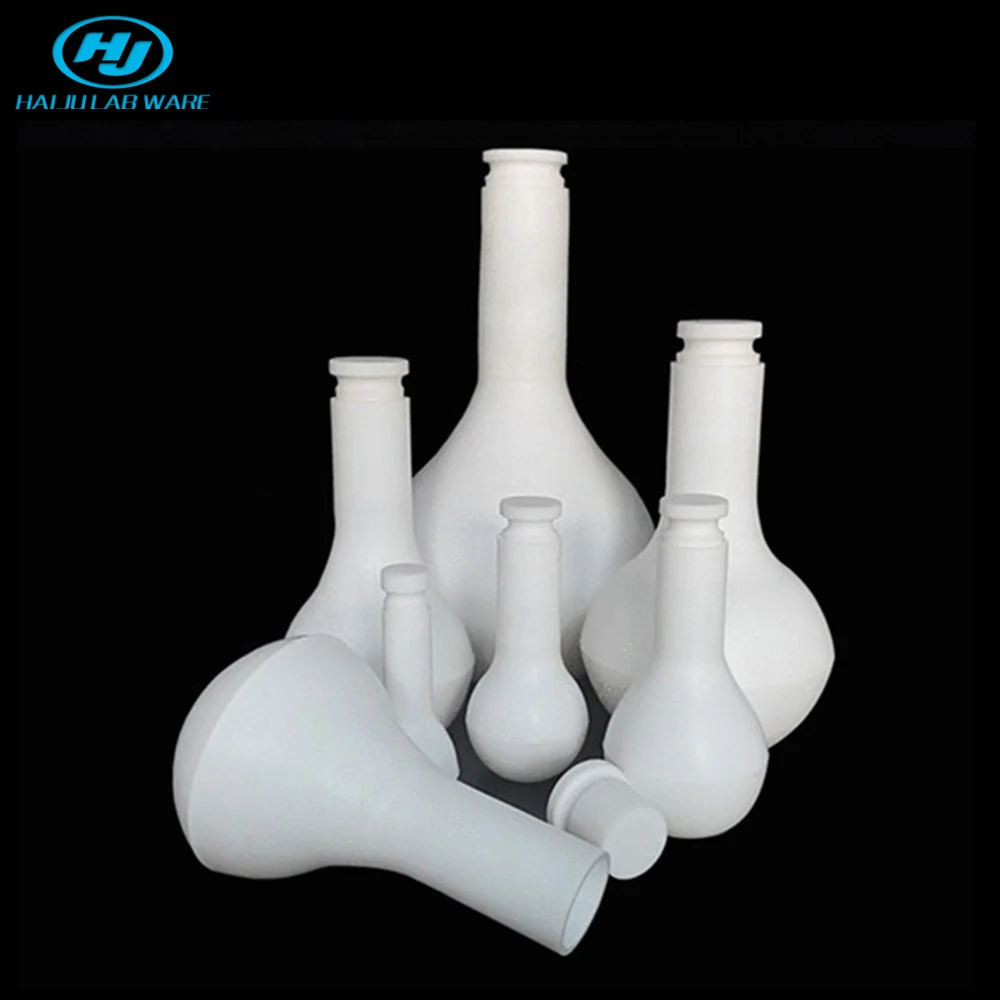
When handling hazardous or sensitive chemical substances, the choice of laboratory equipment is paramount to ensuring safety and accuracy. Many researchers and laboratory professionals specifically look for a measuring cylinder made of high-quality glass rather than plastic alternatives. Glass is chemically inert, meaning it does not react with most acids, bases, or organic solvents, making a glass measuring cylinder the gold standard for long-term storage or high-precision measurements. When you choose a measuring cylinder constructed from borosilicate glass, you are prioritizing the integrity of your experiment over the convenience of cheaper plastic materials. This chemical resistance ensures that your measuring cylinder remains clear and accurate, without the clouding or degradation often seen in polymers after repeated chemical exposure.
In analytical chemistry, precision is everything. A high-quality measuring cylinder provides the necessary volume accuracy for routine measurements that volumetric flasks might be too bulky for. Unlike many plastics, borosilicate glass provides exceptional thermal stability, allowing a measuring cylinder to be used in processes involving slight temperature fluctuations without changing its volume dimensions significantly. This structural reliability is why a measuring cylinder is often preferred for volatile liquids; the glass maintains its shape and calibration markings over time. When you use a measuring cylinder for your daily work, the clarity of the material allows for easy reading of the meniscus, which is critical when a measuring cylinder is utilized in complex titration or dilution procedures. Every measuring cylinder in a professional lab setting needs to offer this level of visibility to avoid human error.
One of the primary reasons to opt for a glass measuring cylinder is its non-porous surface. Plastic materials, even high-density polyethylene, can sometimes absorb traces of chemical substances, leading to cross-contamination in future experiments. A glass measuring cylinder is inherently resistant to such absorption. When you clean a measuring cylinder made of glass, you can be confident that no residual chemicals remain in the wall matrix. This makes a measuring cylinder the ideal tool for laboratories working with high-purity reagents or those requiring strict adherence to analytical standards. Investing in a durable measuring cylinder also ensures that your lab results remain consistent, as a measuring cylinder does not leach chemical additives into your sensitive samples, maintaining the purity levels your research demands.
Laboratory hygiene is non-negotiable. Glass equipment offers superior resistance to a variety of cleaning agents and can withstand rigorous sterilization methods that would damage or melt plastic. A glass measuring cylinder can be autoclaved or subjected to harsh chemical cleaning solutions repeatedly without compromising its structural integrity. This versatility is why a professional measuring cylinder is a staple in any chemistry workflow. When your measuring cylinder is easy to maintain, it reduces the risk of contaminating future samples. By choosing a measuring cylinder that can handle high heat and aggressive cleaning agents, you ensure that every measuring cylinder you use remains as reliable as the day you first calibrated it, ultimately supporting the longevity of your laboratory equipment investment.
While some might view plastic as a cost-effective alternative, the longevity of a glass measuring cylinder often proves more economical over time. Because a glass measuring cylinder does not scratch or cloud easily, it rarely needs to be replaced due to surface degradation. A high-quality measuring cylinder maintains its calibration accuracy for years if handled with standard laboratory care. For labs focusing on budget optimization, a measuring cylinder made of borosilicate glass represents a sound investment. By choosing a durable measuring cylinder, you are reducing waste and minimizing the frequency of equipment replacement. When you integrate a reliable measuring cylinder into your laboratory, you are not just buying a tool; you are securing an accurate, long-lasting component of your scientific infrastructure.
It is important to understand the material science behind the preference for glass. The glass used in a high-grade measuring cylinder is typically borosilicate, which is famous for its low coefficient of thermal expansion. This characteristic is vital because it means that your measuring cylinder will not expand or contract significantly when dealing with hot or cold liquids. In contrast, many plastic materials will warp under similar thermal stress, making a plastic measuring cylinder less reliable for precise work. Furthermore, the chemical inertness of borosilicate glass ensures that the measuring cylinder will not leach ions or other substances into your chemical reagents, preserving the chemistry of your solution. When researchers select a measuring cylinder, they are choosing a material that serves as a neutral vessel, providing the best possible environment for chemical interaction studies. This neutrality is a cornerstone of reliable laboratory practice, ensuring that every measurement made with your measuring cylinder is based purely on the volume of the substance being handled, rather than external factors or material interference.
Ultimately, the choice of a measuring cylinder influences the quality of every chemical measurement made in the lab. By selecting a glass measuring cylinder, you ensure that your work is underpinned by material properties that support accuracy, safety, and hygiene. Whether you are using a measuring cylinder for simple liquid transfers or complex chemical synthesis, the glass provides a level of dependability that is difficult to replicate with other materials. Remember, every measuring cylinder you use serves as a vital instrument in your research. Always inspect your measuring cylinder for any signs of damage before use to maintain the high standards required in chemistry. A proper measuring cylinder is, and will always be, an essential partner in your laboratory success.

 EN
EN