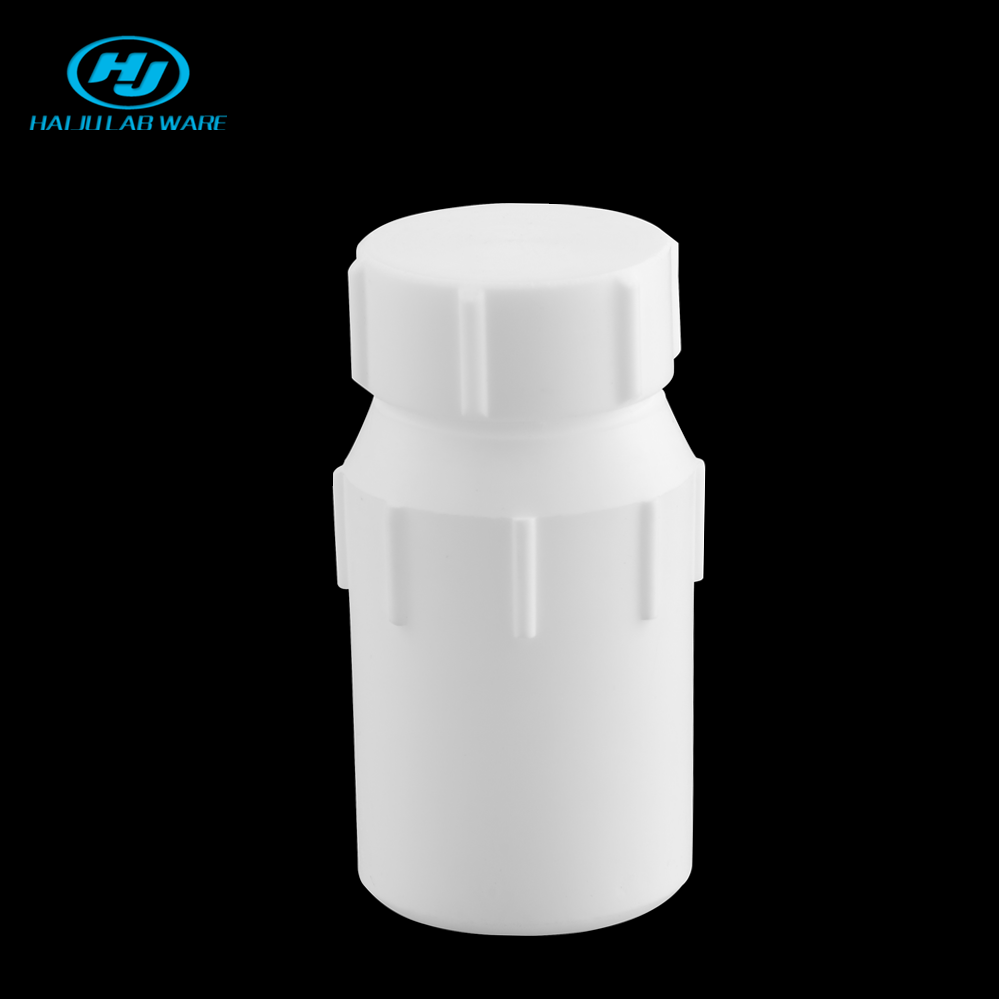
Understanding the Role of the Reagent Bottle in Contamination Prevention
In any analytical chemistry laboratory, biochemical research facility, or industrial manufacturing environment, maintaining the absolute integrity and chemical purity of stored solutions is an operational priority of the highest order. Every experienced researcher understands that selecting the proper containment vessel is just as critical as the chemical synthesis or purification process itself, and at the core of this storage system lies the standard reagent bottle. Based on extensive, hands-on laboratory experience handling volatile organic solvents, moisture-sensitive hygroscopic reagents, and high-purity analytical reference standards, it is abundantly clear that even the most meticulously prepared chemical compounds will degrade rapidly if the environmental containment barriers fail. A premium-grade reagent bottle serves as the ultimate line of defense against atmospheric moisture, airborne particulate debris, and uncontrolled volatile evaporation. However, the overall reliability of any storage vessel is fundamentally dependent upon the integrity of its closure mechanism. When laboratory technicians store aggressive acids, concentrated alkaline solutions, or sensitive biological buffers, the microscopic sealing interface formed between the container neck and the cap dictates whether the contents remain completely pristine or suffer from severe cross-contamination. Recognizing this critical dynamic empowers laboratory operators to safeguard their valuable reagents, eliminate costly experimental failures, and ensure long-term chemical stability across all routine and advanced storage workflows. A dependable reagent bottle ensures peace of mind during extended shelving cycles.
The Mechanical Engineering of Bottle Seals and Leakage Prevention
The engineering behind an effective, high-performance closure system on a modern reagent bottle involves exceptionally precise geometrical tolerances and advanced material compatibility. When a cap is securely fastened onto the container body, the sealing mechanism must establish a uniform, continuous, and pressure-balanced barrier that successfully prevents both liquid leakage and gas permeation. In many routine laboratory incidents, inferior cap liners, warped threads, or poorly molded manufacturing profiles lead to microscopic gaps where ambient air, carbon dioxide, and atmospheric humidity can slowly infiltrate the interior storage chamber. From a technical expertise standpoint, evaluating the sealing interface requires examining whether the design incorporates a precision-engineered linerless plug-seal ring or an integrated fluoropolymer gasket. A properly constructed seal relies entirely on controlled mechanical compression, distributing sealing pressure evenly around the entire 360-degree circumference of the bottle rim. This uniform distribution prevents localized material deformation and ensures that volatile organic compounds cannot escape into the laboratory atmosphere, thereby protecting both the chemical composition of the stored substance and the safety of the laboratory personnel. By prioritizing a well-designed reagent bottle featuring robust mechanical sealing tolerances, facilities can drastically reduce the risk of solution concentration shifts caused by unexpected solvent evaporation over extended shelving periods, proving that every single reagent bottle must be manufactured to rigorous industrial standards.
Material Selection and Chemical Inertness in Closures
A critical vulnerability in maintaining long-term sample purity lies in the complex chemical interaction between the closure components and the aggressive reagents stored within the container. If the cap liner, the inner plug, or the screw cap of a reagent bottle reacts chemically with strong acids, concentrated bases, or aggressive organic solvents, unwanted leachables and extractables can migrate directly into the solution, completely ruining its analytical purity. To combat this persistent analytical challenge, modern laboratory glassware and specialized plastic containers utilize chemically inert encapsulation materials, such as virgin polytetrafluoroethylene (PTFE) or specialized high-performance polymers. Drawing from authoritative industrial standards and material science, selecting closures that offer absolute chemical resistance ensures that no trace elements, residual monomers, or plasticizers contaminate high-purity HPLC mobile phases or sensitive biological reagents. Furthermore, operators must carefully consider thermal expansion differences between the bottle neck and the cap during high-temperature autoclaving cycles or severe laboratory temperature fluctuations. A superior reagent bottle design successfully accommodates these micro-movements without losing clamping force or degrading the sealing barrier, ensuring that the chemical purity of the contents remains uncompromised from the initial day of storage through the final drop of usage. Every laboratory professional knows that a trusted reagent bottle must be paired with chemically inert cap assemblies to prevent any trace contamination during long-term sample storage.
Practical Guidelines for Storage and Seal Maintenance Protocols
Even the most advanced sealing technology and the highest quality materials can fail prematurely if proper handling protocols and routine maintenance routines are neglected by laboratory personnel. Trustworthy experimental outcomes require systematic visual and physical inspection of both the container threads and the cap sealing surfaces prior to every critical application. Over-tightening a reagent bottle cap is a common operational mistake that can warp the sealing ring, strip the delicate threading, or fracture the glass or plastic rim, instantly destroying the hermetic barrier. Conversely, under-tightening leaves microscopic pathways for atmospheric moisture and gases to seep into moisture-sensitive compounds, such as anhydrous salts or reactive organometallic reagents. Best practices established in analytical laboratories dictate that operators should check for hairline cracks, particulate debris, or chemical crystallization along the sealing surfaces whenever a reagent bottle is opened or closed. Wiping the rim clean with a compatible, solvent-free laboratory wipe before resealing prevents solid crystal build-up from compromising the closure fit. By implementing these disciplined handling habits, laboratories can maximize the operational lifespan of their storage containers while consistently protecting the absolute purity of their valuable chemical inventories. Proper care ensures that your reagent bottle delivers reliable performance across every single application.

 EN
EN